
Photo: Chanokchon / CC BY-SA 4.0 / Wikimedia Commons
Honda Civic
Liftback · Gas · 159 versions · owner report
Ranked #3 of 12 compact cars on owner data, price and fuel economy
Every generation
Power
Combined, EPA 2026
What owners say
Our take, from owner reports
Extremely positive sentiment regarding long-term reliability, practicality, and value for money across multiple generations.
7 problems reported (3 recurrent, 4 isolated) · high confidence
Problems owners report
- RecurrentGeneration-Specific Engine Problems
Isolated but severe issues include cracked engine blocks on early 8th generation (2006-2009) 1.8L R18 engines and head gasket failures on 7th generation (2001-2005) D17 engines.
- Recurrent1.5L Turbo Engine Concerns
Potential for oil dilution, particularly in cold climates and with frequent short trips; also mentioned are chain problems, turbo issues, and head gasket concerns. Some owners note a software update mitigated the oil dilution issue.
- RecurrentRust
Mentioned as a common issue, particularly on older generations, requiring regular cleaning and undercarriage maintenance to mitigate.
+ 4 more issuesShow fewer
- IsolatedCVT Transmission Concerns
Noted for being less engaging than a manual; long-term reliability concerns are mentioned, though not widely reported as failing in the provided data.
- IsolatedElectrical & Minor Gremlins
Isolated reports of smart entry door handle failures, clock spring/airbag light issues, and blower motor problems.
- IsolatedPoor Paint Quality
Specifically noted on the entire 8th generation as being exceptionally poor.
- IsolatedVisibility & Blind Spots
The striking shape of some generations (e.g., 8th gen) creates significant blind spots and poor rear visibility, especially without a rear wiper.
The version owners recommend
Consensus varies by generation and region. For the 8th and 9th generations (UK/Europe), the 1.8L i-VTEC petrol engine is frequently recommended for its proven reliability and adequate power, with manual transmissions preferred for engagement. For the 10th generation (2017+), the manual transmission is praised for its feel, and the 1.5L turbo engine is noted for performance despite some owner concerns. The Type R is highlighted for its performance and surprising practicality. There is a specific warning to avoid the 1.0L turbo (wet belt concerns) and to be cautious with early 1.5L turbos due to potential oil dilution. Higher trim levels (e.g., EX, EX GT) are recommended for better equipment.
Competitors to consider
Owners compare it most often with the Toyota Corolla, Toyota Yaris, Mazda 3, Volkswagen Golf and SEAT Leon.
Is the Civic right for you?
Get an answer for your year, mileage and budget.
Full owner reportHide full owner report
Overall sentiment
Extremely positive sentiment regarding long-term reliability, practicality, and value for money across multiple generations. The Civic is consistently described as one of the most reliable cars on the road, with a strong reputation for minimal mechanical issues when properly maintained. Owners praise its spacious and comfortable interiors, good fuel economy, and low running costs. However, feedback is highly generation-specific, with certain model years (e.g., 2006-2009 1.8L, 2001-2005 D17 engine) noted for specific, well-documented mechanical flaws. Later generations (2017+) receive praise for improved chassis rigidity, technology, and driving dynamics, though some note a lack of low-end torque in base engines and concerns over specific turbocharged powertrains. The vehicle is overwhelmingly recommended as a first car, a reliable commuter, or a sensible long-term ownership proposition.
Positioning vs competitors
Positioned as the default choice for reliability and practicality within the compact segment, often commanding a price premium over non-Japanese competitors. Compared directly to the Toyota Corolla, with owners debating which is the more bulletproof option; both are seen as top-tier for dependability. Viewed as more reliable and spacious than European rivals like the Volkswagen Golf or SEAT Leon, though sometimes noted as having less refined interiors or older technology. Within the Honda lineup, the Civic is seen as more engaging and stylish than the HR-V but less refined and powerful than the Accord. For buyers considering SUVs (Crosstrek, RAV4), the Civic is positioned as a more fuel-efficient and car-like driving alternative, albeit without the ground clearance or rugged image.
Recommended configurations
Manual transmission is frequently recommended over automatic/CVT for a more engaging drive and perceived reliability. The 1.8L petrol engine (in applicable generations) is the most recommended for balance of reliability and performance. For later turbo models, a manual gearbox is suggested to mitigate CVT-related disengagement. A comprehensive pre-purchase inspection (PPI) is universally recommended, especially for older, high-mileage examples, regardless of the Civic's reputation. Full service history is considered critical.
General recommendations
Highly recommended for new drivers, budget-conscious buyers, and anyone prioritizing long-term reliability and low cost of ownership. Not recommended for those seeking a powerful, engaging performance car outside of the Type R variant. Essential to research generation-specific common faults (e.g., cracked blocks on early 8th gens, head gaskets on 7th gens). A pre-purchase inspection is considered non-negotiable to assess maintenance history and uncover hidden issues, as a poor maintenance history can negate the inherent reliability. Be prepared to pay a premium for the Honda badge compared to equally reliable but less renowned competitors. For used models, prioritize service history and condition over low mileage alone.
Remarks
Owner feedback is heavily segmented by generation, with each having a distinct reputation. The 7th generation is often criticized by enthusiasts for a cheaper-feeling build and less engaging dynamics compared to the revered 5th/6th generations. The 8th and 9th generations are seen as peak reliability for naturally aspirated engines. The 10th generation (2017+) marks a significant shift with turbocharging, receiving praise for its chassis but scrutiny for new engine complexities. The vehicle's legendary reliability is consistently framed with the critical asterisk of proper maintenance; a neglected Civic is not seen as a safe purchase. The data reflects a strong, enduring owner loyalty built on decades of proven dependability. Analysis based on approximately 30 substantive owner discussions and inquiries across multiple generations.
Generation by generation
Owner insights per generation and US complaint/recall records (NHTSA).
Civic XI2021–20263,263 complaints · 17 recallshigh confidenceRead report
Most-reported areas (NHTSA): steering (2354) · forward collision avoidance (338) · unknown or other (232)
Our take, from owner reports
Owners are overwhelmingly positive about the 11th generation Civic, frequently calling it an amazing car and one of the best commuter cars ever made.
7 problems reported (3 recurrent, 4 isolated) · high confidence
Problems owners report
- RecurrentAC compressor failure at low mileage (34,000 miles)
- RecurrentAutomatic wipers and automatic climate control perform poorly
- RecurrentPiano black dashboard trim creates sun glare
+ 4 more issuesShow fewer
- IsolatedAC system failure after dealer repair
- IsolatedSqueaky seats
- IsolatedDash rattles in passenger-side AC vent
- IsolatedInfotainment lag when navigation app is active
Is a 2021–2026 Civic right for you?
Get an answer for your year, mileage and budget.
Civic VIII 5D2006–20119,778 complaints · 59 recallshigh confidenceRead report
Most-reported areas (NHTSA): air bags (1694) · suspension (1168) · engine (1130)
Our take, from owner reports
Owners generally view the 8th generation Civic as a highly reliable, economical, and fun-to-drive car, with many reporting high mileage (250k-650k) with proper maintenance.
11 problems reported (2 very frequent, 4 recurrent, 5 isolated) · high confidence
Problems owners report
- Very frequentEngine block cracking (non-Si engines, 2006-2008)
- Very frequentClear coat and paint failure
- RecurrentEngine mount degradation causing vibration
+ 8 more issuesShow fewer
- Recurrent2nd and 3rd gear grind/pop-out on manual transmissions
- RecurrentAC compressor failure
- RecurrentDoor lock actuators and linkages breaking
- IsolatedPower steering issues
- IsolatedRust and corrosion, especially in coastal/salty environments
- IsolatedFlood damage signs (interior rust, oxidation) on some used examples
- IsolatedKey cylinder failure
- IsolatedTrunk latch failure
Is a 2006–2011 Civic right for you?
Get an answer for your year, mileage and budget.
Civic VIII2005–201110,141 complaints · 74 recallshigh confidenceRead report
Most-reported areas (NHTSA): air bags (1837) · suspension (1168) · engine (1130)
Our take, from owner reports
Owners generally view this generation as a solid, reliable daily driver with cheap parts and good fuel economy, though many note it is not exciting or fast.
7 problems reported (2 very frequent, 1 recurrent, 4 isolated) · high confidence
Problems owners report
- Very frequentD17 engine head gasket failure causing overheating and coolant loss
- Very frequentClear coat failure and paint peeling, especially on hood, roof, and trunk
- Recurrent2nd gear grind and 3rd gear pop-out in the Si manual transmission
+ 4 more issuesShow fewer
- IsolatedPassenger side motor mount bolts snapping and destroying the mount (Si, TSB issued)
- IsolatedEngine block cracking (one 2008 Si owner reported this after 11 years)
- IsolatedAutomatic transmission compatibility issues with aftermarket/JDM replacements
- IsolatedRev hang between shifts (Si)
Is a 2005–2011 Civic right for you?
Get an answer for your year, mileage and budget.
Civic VII2001–20065,988 complaints · 122 recallshigh confidenceRead report
Most-reported areas (NHTSA): air bags (1366) · power train (833) · suspension (497)
Our take, from owner reports
Owners generally view this generation as a solid, economical car that can last well beyond 200,000 miles if maintained, but they consistently warn about two significant weak points: head gasket failures on the D17 engine and automatic transmission issues, particularly on earlier model years.
9 problems reported (1 very frequent, 3 recurrent, 5 isolated) · high confidence
Problems owners report
- Very frequentHead gasket failure on D17 engines at higher mileages
- RecurrentAutomatic transmission problems, especially on 2001-2003 models
- RecurrentOil leaks from valve cover and rear main seals at higher mileages
+ 6 more issuesShow fewer
- RecurrentCooling system component failures (radiator
Water pump, thermostat) contributing to head gasket failures.
- IsolatedCracked engine block on non-Si models (2006
Related to 8th gen but mentioned in context of this generation's successor)
- IsolatedPower steering failure
- IsolatedAir conditioning failure
- IsolatedDoor lock actuators and linkages breaking
- IsolatedTrunk latch failure
Is a 2001–2006 Civic right for you?
Get an answer for your year, mileage and budget.
Civic VII 5D2001–20065,988 complaints · 122 recallshigh confidenceRead report
Most-reported areas (NHTSA): air bags (1366) · power train (833) · suspension (497)
Our take, from owner reports
Owners generally view this generation as a solid, dependable economy car that can last well beyond 200,000 miles with proper maintenance.
9 problems reported (1 very frequent, 3 recurrent, 5 isolated) · high confidence
Problems owners report
- Very frequentHead gasket failure at higher mileages (150k+)
- RecurrentAutomatic transmission problems on 2001-2003 models
- RecurrentOil leaks from valve cover or rear main seal at high mileage
+ 6 more issuesShow fewer
- RecurrentTiming belt and water pump needing replacement
- IsolatedCracked engine block (2006 model, non-Si)
- IsolatedPower steering failure
- IsolatedAir conditioning failure
- IsolatedDoor lock actuator failure
- IsolatedBroken door linkage
Is a 2001–2006 Civic right for you?
Get an answer for your year, mileage and budget.
Complaints and recalls by model yearWorst year: 2006. Years to avoid: 2022, 2007, 2006Source: NHTSA (US)Show table
Each year graded against the model's other years: Year Score. See all Honda Civic years to avoid
| Year | Complaints | Recalls | Most-reported area |
|---|---|---|---|
| 2026 | 31 | 0 | forward collision avoidance |
| 2025 | 93 | 2 | steering |
| 2024 | 265 | 3 | steering |
| 2023 | 580 | 4 | steering |
| 2022 | 1,842 | 4 | steering |
| 2021 | 452 | 4 | steering |
| 2020 | 914 | 5 | unknown or other |
| 2019 | 1,582 | 4 | steering |
| 2018 | 1,192 | 6 | steering |
| 2017 | 629 | 6 | steering |
| 2016 | 1,082 | 5 | steering |
| 2015 | 1,113 | 1 | power train |
| 2014 | 852 | 2 | power train |
| 2013 | 931 | 0 | air bags |
Complaint counts come from owner reports filed with the US National Highway Traffic Safety Administration. Higher-selling years naturally accumulate more complaints.
Recall notices298 on record · Source: NHTSA (US)Show recalls
2025 · steeringcampaign 24V744000
Honda (American Honda Motor Co.) is recalling certain 2023-2025 Acura Integra, Civic Type R, CR-V Hybrid, CR-V, HR-V, 2022-2025 Civic, Civic Hatchback, 2024-2025 Acura Integra Type S, 2025 CR-V Fuel Cell EV, Civic Hybrid, and Civic Hatchback Hybrid vehicles. The steering gearbox assembly may have been manufactured incorrectly, which can cause excessive internal friction and lead to difficulty steering the vehicle.
2025 · fuel system, gasoline:delivery:fuel pumpcampaign 24V763000
Honda (American Honda Motor Co.) is recalling certain 2023-2024 Honda Accord, Accord Hybrid, 2023-2025 Honda CR-V Hybrid, and 2025 Honda Civic and Civic Hybrid vehicles. The high-pressure fuel pump may crack and leak fuel.
2024 · steering:rack and pinioncampaign 23V704000
Honda (American Honda Motor Co.) is recalling certain 2022-2024 Civic 4-door and Civic 5-door vehicles that received a replacement power steering rack as part of a service repair. The steering rack may have been incorrectly assembled, which can allow the tire to chafe against the lower suspension or tie rod end, possibly resulting in tire damage.
2024 · steeringcampaign 24V744000
Honda (American Honda Motor Co.) is recalling certain 2023-2025 Acura Integra, Civic Type R, CR-V Hybrid, CR-V, HR-V, 2022-2025 Civic, Civic Hatchback, 2024-2025 Acura Integra Type S, 2025 CR-V Fuel Cell EV, Civic Hybrid, and Civic Hatchback Hybrid vehicles. The steering gearbox assembly may have been manufactured incorrectly, which can cause excessive internal friction and lead to difficulty steering the vehicle.
2024 · seats:critical fastenerscampaign 24V859000
Honda (American Honda Motor Co.) is recalling certain 2023-2024 Honda Accord, Accord Hybrid, Civic Sedan, Civic Hatchback, Pilot, and 2024 HR-V, Acura Integra and Acura Integra Type S vehicles. The driver's seat cushion frame may not have been tightened properly, which can result in an unsecured seat. As such, these vehicles fail to comply with the requirements of Federal Motor Vehicle Safety Standard number 207, "Seating Systems."
2023 · service brakes, hydraulic:antilock/traction control/electronic limited slip:control unit/modulecampaign 23V430000
Honda (America Honda Motor Co.) is recalling certain 2023 Civic, Acura RDX, Acura Integra, and 2022 Honda Accord vehicles. A ball valve in the vehicle stability assist (VSA) modulator may leak brake fluid, which can result in unintended vehicle movement when the brake hold feature is engaged or an unexpected increase in brake pedal travel.
2023 · steering:rack and pinioncampaign 23V704000
Honda (American Honda Motor Co.) is recalling certain 2022-2024 Civic 4-door and Civic 5-door vehicles that received a replacement power steering rack as part of a service repair. The steering rack may have been incorrectly assembled, which can allow the tire to chafe against the lower suspension or tie rod end, possibly resulting in tire damage.
2023 · steeringcampaign 24V744000
Honda (American Honda Motor Co.) is recalling certain 2023-2025 Acura Integra, Civic Type R, CR-V Hybrid, CR-V, HR-V, 2022-2025 Civic, Civic Hatchback, 2024-2025 Acura Integra Type S, 2025 CR-V Fuel Cell EV, Civic Hybrid, and Civic Hatchback Hybrid vehicles. The steering gearbox assembly may have been manufactured incorrectly, which can cause excessive internal friction and lead to difficulty steering the vehicle.
2023 · seats:critical fastenerscampaign 24V859000
Honda (American Honda Motor Co.) is recalling certain 2023-2024 Honda Accord, Accord Hybrid, Civic Sedan, Civic Hatchback, Pilot, and 2024 HR-V, Acura Integra and Acura Integra Type S vehicles. The driver's seat cushion frame may not have been tightened properly, which can result in an unsecured seat. As such, these vehicles fail to comply with the requirements of Federal Motor Vehicle Safety Standard number 207, "Seating Systems."
2022 · steering:rack and pinioncampaign 23V704000
Honda (American Honda Motor Co.) is recalling certain 2022-2024 Civic 4-door and Civic 5-door vehicles that received a replacement power steering rack as part of a service repair. The steering rack may have been incorrectly assembled, which can allow the tire to chafe against the lower suspension or tie rod end, possibly resulting in tire damage.
2022 · air bags:sensor:occupant classification:front passengercampaign 24V064000
Honda (American Honda Motor Co.) is recalling certain 2020-2022 Pilot, Accord, Civic sedan, HR-V, Odyssey, 2020 Civic coupe, Fit, 2021-2022 Civic hatchback, 2021 Civic Type R, Insight, 2020-2021 CR-V, CR-V Hybrid, Passport, Ridgeline, Accord Hybrid, 2020 Acura MDX, 2022 Acura MDX, 2020-2022 Acura RDX, and 2020-2021 Acura TLX vehicles. The front passenger seat weight sensor may crack and short circuit, failing to suppress the air bag as intended.
2022 · steeringcampaign 24V744000
Honda (American Honda Motor Co.) is recalling certain 2023-2025 Acura Integra, Civic Type R, CR-V Hybrid, CR-V, HR-V, 2022-2025 Civic, Civic Hatchback, 2024-2025 Acura Integra Type S, 2025 CR-V Fuel Cell EV, Civic Hybrid, and Civic Hatchback Hybrid vehicles. The steering gearbox assembly may have been manufactured incorrectly, which can cause excessive internal friction and lead to difficulty steering the vehicle.
2022 · air bags:sensor:occupant classification:front passengercampaign 26V332000
Honda (American Honda Motor Co.) is recalling certain 2018-2021, 2023 Acura TLX, 2019-2024 RDX, 2017-2020, 2022-2026 MDX, 2017-2021, 2023, 2025 Honda Ridgeline, 2017-2022 Pilot, 2019-2021 Passport, 2018-2026 Odyssey, 2019-2022 Insight, 2019-2021 HR-V, 2018-2020 Fit, 2020-2022 CR-V Hybrid, 2017-2022 CR-V, 2017-2018, 2021 Civic Type R, 2017-2021 Civic hatchback, 2016-2020 Civic coupe, 2016-2022 Civic, 2017-2022 Accord Hybrid, and 2016-2022 Accord vehicles. The front passenger seat weight sensor may crack and short circuit, which can cause the air bags to deploy unintentionally during a crash.
2021 · service brakes, hydraulic:foundation components:master cylindercampaign 23V458000
Honda (American Honda Motor Co.) is recalling certain 2020-2021 Civic, 2020-2023 Ridgeline, 2021-2023 Passport, 2021-2022 Pilot, and 2020 Acura MDX vehicles. The tie rod fastener that connects the brake booster and the brake master cylinder may have been improperly assembled during manufacturing, which can cause the brake master cylinder to separate from the booster assembly.
2021 · air bags:sensor:occupant classification:front passengercampaign 24V064000
Honda (American Honda Motor Co.) is recalling certain 2020-2022 Pilot, Accord, Civic sedan, HR-V, Odyssey, 2020 Civic coupe, Fit, 2021-2022 Civic hatchback, 2021 Civic Type R, Insight, 2020-2021 CR-V, CR-V Hybrid, Passport, Ridgeline, Accord Hybrid, 2020 Acura MDX, 2022 Acura MDX, 2020-2022 Acura RDX, and 2020-2021 Acura TLX vehicles. The front passenger seat weight sensor may crack and short circuit, failing to suppress the air bag as intended.
283 older recalls not shown. Check nhtsa.gov with your VIN for the full history.
Specifications
2.0 i-VTEC
2.0L 4-cylinder · 150 hp · FWD · automatic (CVT)
Built 2024–2026
Compare with
Real questions about this car

First car · Budget
Best first car under $10,000 CAD. what owners actually recommend

Used cars · Budget
Mazda3 vs Honda Civic 2020. which holds up better used?
Winter · AWD
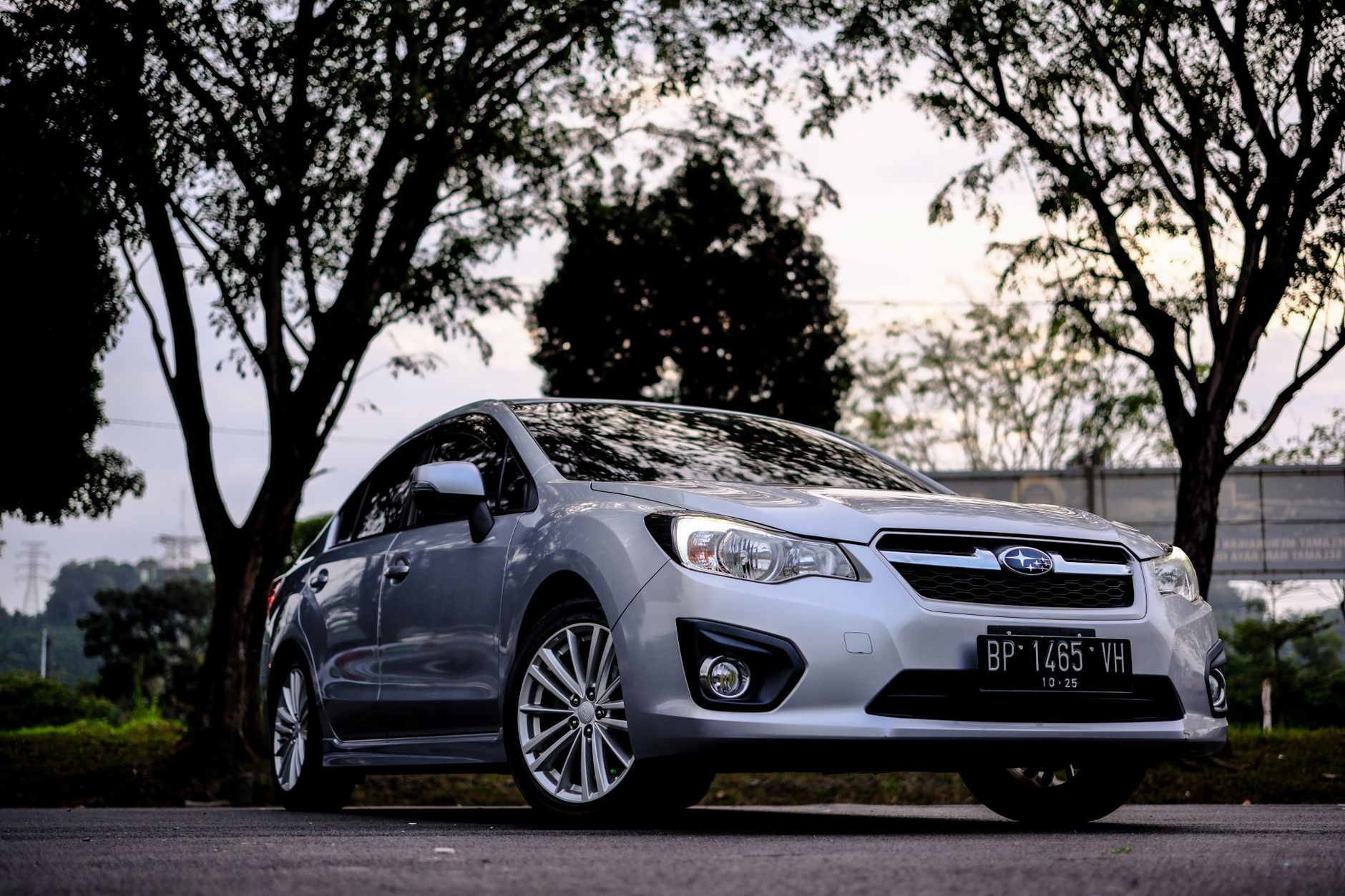
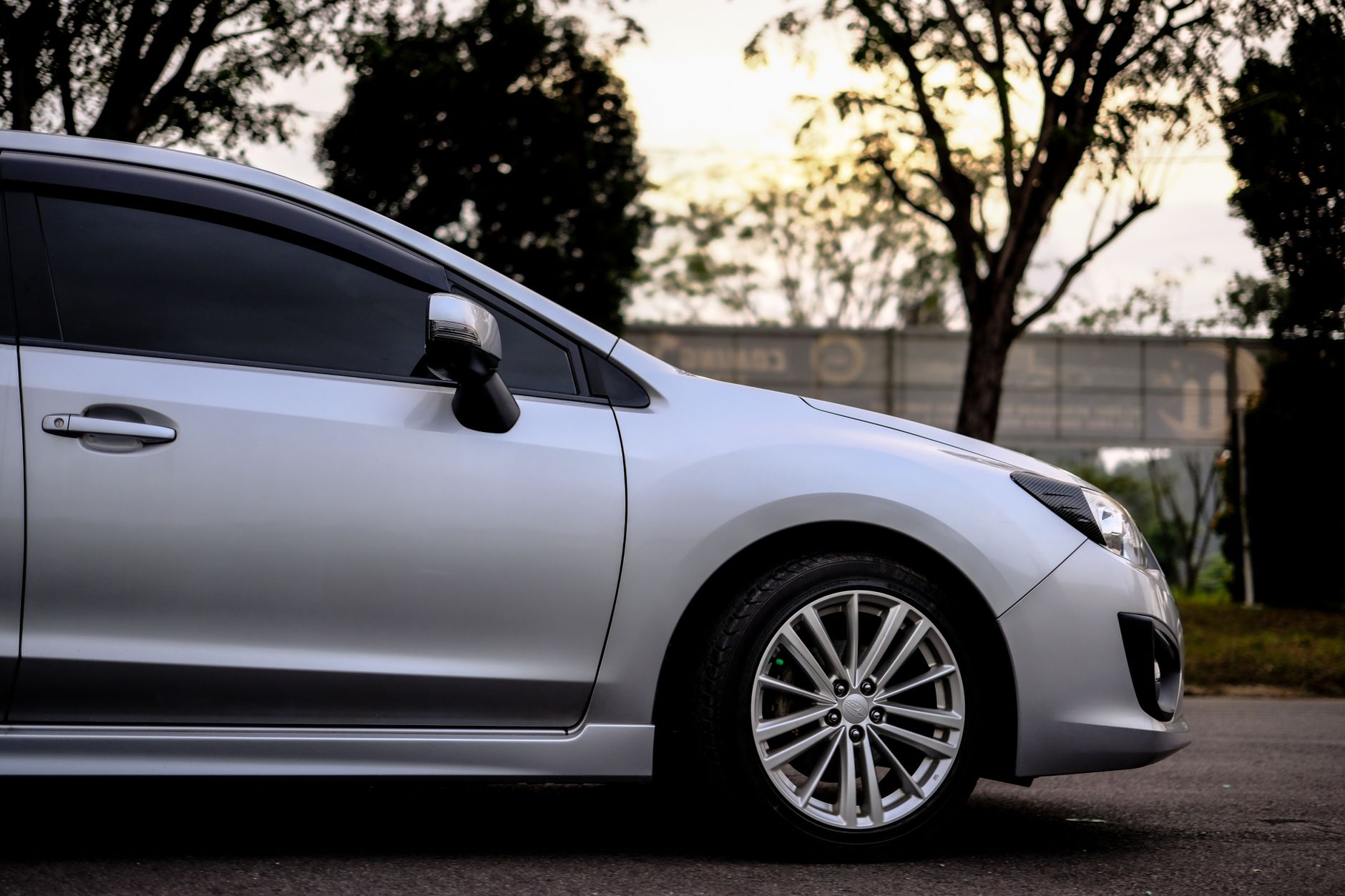
Subaru Impreza vs Honda Civic for winter driving
First car · High mileage
Should I buy a 2017 Toyota Corolla with 200,000 km?

Used cars · Reliability
VW Golf vs Mazda3 used. which is more reliable?

First car · Budget