
Photo: Chanokchon / CC BY-SA 4.0 / Wikimedia Commons
Subaru Forester
SUV · Gas · 32 versions · owner report
Ranked #10 of 26 compact SUVs on owner data, price and fuel economy
Every generation
Power
0–62 mph (0–100 km/h)
Top speed (228 km/h)
Combined, EPA 2026
What owners say
Our take, from owner reports
Overwhelmingly positive sentiment across multiple generations, with the Forester consistently praised for its practicality, safety, all-weather capability, and long-term reliability when properly maintained.
7 problems reported (1 very frequent, 4 recurrent, 2 isolated) · high confidence
Problems owners report
- Very frequentCVT transmission longevity concerns
Concerns about long-term reliability beyond 100,000 miles, with strong owner consensus recommending proactive fluid changes every 30,000-60,000 miles despite some manufacturer guidance.
- RecurrentInfotainment system glitches
Occasional screen freezes, slow response, or connectivity issues. Noted as an annoyance but not a dealbreaker.
- RecurrentWindshield/glass cracking
Described as an "Achilles' heel"; prone to cracks and chips, necessitating comprehensive glass insurance.
+ 4 more issuesShow fewer
- RecurrentFront control arm bushing wear
Bushings reported to fail relatively early, sometimes between 60,000-100,000 miles, affecting ride quality.
- RecurrentOil consumption
Some models, particularly older generations, noted to consume more oil than average, requiring monitoring between changes.
- IsolatedRoad noise
Noted as higher than some competitors, particularly in the Crosstrek, but also mentioned for some Forester models.
- IsolatedHybrid model spare tire
The 2025+ Forester Hybrid does not include a spare tire due to battery placement, cited as a significant disadvantage.
The version owners recommend
For the 2019-2024 generation, the Premium trim is frequently cited as the "sweet spot" for comfort, convenience, and price, especially when purchased used. For the new 2025+ generation, the hybrid model is specifically recommended by some owners due to its different (non-CVT) transmission and improved technology. There is also a noted preference for 2025 models over 2026 models due to a manufacturing location change (Japan vs. U.S.), with owners reporting fewer initial issues on the Japan-built 2025s.
Competitors to consider
Owners compare it most often with the Toyota RAV4, Honda CR-V, Mazda CX-5, Mazda CX-50 and Subaru Outback.
Is the Forester right for you?
Get an answer for your year, mileage and budget.
Full owner reportHide full owner report
Overall sentiment
Overwhelmingly positive sentiment across multiple generations, with the Forester consistently praised for its practicality, safety, all-weather capability, and long-term reliability when properly maintained. Owners express deep satisfaction with the vehicle's spacious interior, excellent outward visibility, and the effectiveness of its standard all-wheel-drive system in snow and poor weather conditions. The vehicle is frequently described as a dependable, no-nonsense family hauler and outdoor companion. Criticisms are present but generally framed as manageable trade-offs, focusing on specific component longevity (e.g., CVT concerns, certain bushings), infotainment system quality, and, for some, a perceived lack of exciting performance. The consensus positions the Forester as a top-tier choice for buyers prioritizing safety, utility, and all-weather confidence over luxury or sportiness.
Positioning vs competitors
Positioned as the superior choice for all-weather and light off-road capability due to its standard symmetrical all-wheel-drive system and higher ground clearance, often contrasted with front-wheel-drive-based competitors. Frequently compared directly to the Toyota RAV4 and Honda CR-V, with owners noting the Forester offers better value for money on higher trims and a more capable AWD system, though some note Toyota may have a slightly better reliability track record. The Subaru Outback is mentioned as a more spacious alternative with greater cargo length and often more powerful engine options, while the Crosstrek is seen as a smaller, more fuel-efficient but less spacious platform sibling. The Forester is consistently recommended over mainstream competitors for buyers in snowy regions or with active outdoor lifestyles.
Recommended configurations
All-wheel-drive is standard and universally recommended. For the 2025+ hybrid, owners note the absence of a spare tire as a significant trade-off. Comprehensive insurance coverage for glass (windshields) is strongly advised due to a known vulnerability to cracking. For long-term ownership, purchasing the Subaru Gold Plus extended warranty (100,000 miles) is suggested for peace of mind. For older models (pre-2010), the traditional automatic transmission is sometimes preferred over the newer CVT by enthusiasts familiar with the older AWD system dynamics.
General recommendations
Highly recommended for families, outdoor enthusiasts, dog owners, and anyone living in areas with significant snow or poor weather. Essential to obtain a thorough pre-purchase inspection for used models, with specific attention to transmission health, head gaskets (on older models), and maintenance records. For new purchases, negotiate aggressively, with reports of deals at or near dealer invoice (approximately 6% under MSRP). Meticulous adherence to the maintenance schedule is critical, especially for CVT fluid changes (every 30,000-60,000 miles is recommended by owners, contrary to some "lifetime" manufacturer claims) and differential fluid changes. Avoid dealerships with reported dishonest sales practices.
Remarks
Owner feedback spans over two decades, revealing a clear generational shift. Models prior to approximately 2008 featured a more "analog," non-brake-based AWD system with a viscous center differential, which some enthusiasts prefer. Post-2008 models incorporate brake-based torque vectoring and stability control as part of the AWD system. Significant engine improvements have resolved the widespread head gasket issues associated with the older EJ25 engine; modern FB/FA series engines are considered much more reliable. The 2025 model year represents a new generation with updated technology; the hybrid variant uses a different transmission design than the gasoline-only models. Dealer experience varies significantly, with some reports of highly deceptive pricing tactics. Analysis based on approximately 40 substantive owner discussions and comparisons.
Generation by generation
Owner insights per generation and US complaint/recall records (NHTSA).
Complaints and recalls by model yearWorst year: 2019. Years to avoid: 2020, 2019, 2018, 2017, 2016, 2015Source: NHTSA (US)Show table
Each year graded against the model's other years: Year Score. See all Subaru Forester years to avoid
| Year | Complaints | Recalls | Most-reported area |
|---|---|---|---|
| 2026 | 31 | 3 | forward collision avoidance |
| 2025 | 102 | 3 | unknown or other |
| 2024 | 58 | 2 | unknown or other |
| 2023 | 74 | 1 | unknown or other |
| 2022 | 98 | 1 | visibility/wiper |
| 2021 | 207 | 0 | visibility/wiper |
| 2020 | 600 | 0 | visibility/wiper |
| 2019 | 833 | 3 | visibility/wiper |
| 2018 | 495 | 3 | visibility/wiper |
| 2017 | 586 | 1 | air bags |
| 2016 | 414 | 3 | air bags |
| 2015 | 613 | 3 | engine |
| 2014 | 403 | 2 | suspension |
| 2013 | 77 | 12 | engine |
Complaint counts come from owner reports filed with the US National Highway Traffic Safety Administration. Higher-selling years naturally accumulate more complaints.
Recall notices116 on record · Source: NHTSA (US)Show recalls
2026 · structure:body:hatchback/liftgate:hinge and attachmentscampaign 25V889000
Subaru of America, Inc. (Subaru) is recalling certain 2026 Forester vehicles. These vehicles may have been manufactured with an incorrect and/or incorrectly oriented rear hatch support bracket which can detach without prior warning.
2026 · visibility:sun/moon roof assemblycampaign 26V346000
Subaru of America, Inc. (Subaru) is recalling certain 2026 Forester and Forester Hybrid vehicles. The sliding glass panel of the power moonroof assembly may have been improperly bonded to the sliding frame, allowing the glass panel to detach from the vehicle.
2026 · equipment:other:labelscampaign 26V436000
Subaru of America, Inc. (Subaru) is recalling certain 2026 Crosstrek Hybrid, 2025-2026 Forester Hybrid, Forester, and 2019-2026 Ascent vehicles. These vehicles were manufactured with an incorrect Gross Axle Weight Rating (GAWR) on the certification label. As such, these vehicles fail to comply with the requirements of Federal Motor Vehicle Safety Standard (FMVSS) 110, "Tire selection and rims."
2025 · wheelscampaign 25V033000
Subaru of America, Inc. (Subaru) is recalling certain 2025 Forester vehicles equipped with 18" aluminum alloy wheels. The wheels may have been manufactured with an incorrectly specified lug seat surface, which can result in the wheel being improperly attached and cause a loss of vehicle stability.
2025 · child seatcampaign 25V419000
Subaru of America, Inc. (Subaru) is recalling certain 2025 Forester vehicles. The child seat anchor bolts may have been improperly tightened, allowing the bolts to come loose.
2025 · equipment:other:labelscampaign 26V436000
Subaru of America, Inc. (Subaru) is recalling certain 2026 Crosstrek Hybrid, 2025-2026 Forester Hybrid, Forester, and 2019-2026 Ascent vehicles. These vehicles were manufactured with an incorrect Gross Axle Weight Rating (GAWR) on the certification label. As such, these vehicles fail to comply with the requirements of Federal Motor Vehicle Safety Standard (FMVSS) 110, "Tire selection and rims."
2024 · engine and engine coolingcampaign 23V723000
Subaru of America, Inc. (Subaru) is recalling certain 2024 Forester vehicles. The engine water pipe may have loose attachment bolts, allowing the pipe to lose its seal and leak coolant.
2024 · power train:driveline:driveshaftcampaign 23V754000
Subaru of America, Inc. (Subaru) is recalling certain 2024 Crosstrek, Impreza, 2023-2024 Forester, and 2023 WRX vehicles. The front driveshaft assemblies' outer race may develop cracks and break.
2023 · power train:driveline:driveshaftcampaign 23V754000
Subaru of America, Inc. (Subaru) is recalling certain 2024 Crosstrek, Impreza, 2023-2024 Forester, and 2023 WRX vehicles. The front driveshaft assemblies' outer race may develop cracks and break.
2022 · power train:automatic transmission:park/neutral start interlock switchcampaign 23V755000
Subaru of America, Inc. is recalling certain model year 2021 Crosstrek, 2022 Forester, 2021-2023 Legacy, and Outback vehicles. An insufficient weld may allow water to enter the inhibitor switch, causing it to fail.
2019 · suspension:rearcampaign 21V263000
Subaru of America, Inc. (Subaru) is recalling certain 2018-2019 Subaru Crosstrek, 2019 Crosstrek Hybrid, and 2019 Forester vehicles. The rear stabilizer bracket bolts may loosen and detach.
2019 · engine and engine cooling:exhaust system:emission control:crankcase (pcv)campaign 19V856000
Subaru of America, Inc. (Subaru) is recalling certain 2019 Crosstrek, Forester, and Ascent vehicles. The aluminum Positive Crankcase Ventilation (PCV) valve can separate, allowing the separated components to enter the engine, resulting in a loss of power while driving.
2019 · steering:electric power assist systemcampaign 19V065000
Subaru of America, Inc. (Subaru) is recalling certain 2019 Forester and Crosstrek vehicles. A connector inside the Electronic Power Steering (EPS) unit may short circuit resulting in a loss of electric power steering assistance.
2018 · fuel system, gasoline:delivery:fuel pumpcampaign 21V587000
Subaru of America, Inc. (Subaru) is recalling certain 2019-2020 Ascent, 2018 Forester, 2018-2020 Impreza, Legacy, Outback, 2018-2019 BRZ, WRX, and Toyota 86 vehicles. The low-pressure fuel pump inside the fuel tank may fail.
2018 · air bags:sensor:occupant classificationcampaign 19V701000
Subaru of America, Inc. (Subaru) is recalling certain 2015-2018 Forester vehicles equipped with heated seats. An electrical connection in the front passenger seat for the Occupant Detection System (ODS) may loosen.
101 older recalls not shown. Check nhtsa.gov with your VIN for the full history.
Specifications
2.5 Lineartronic
2.5L 4-cylinder · 180 hp · AWD · automatic (CVT)
Built 2024–2026
Compare with
Real questions about this car

SUV · AWD
Subaru Forester vs Honda CR-V for a young family
Used cars · High mileage
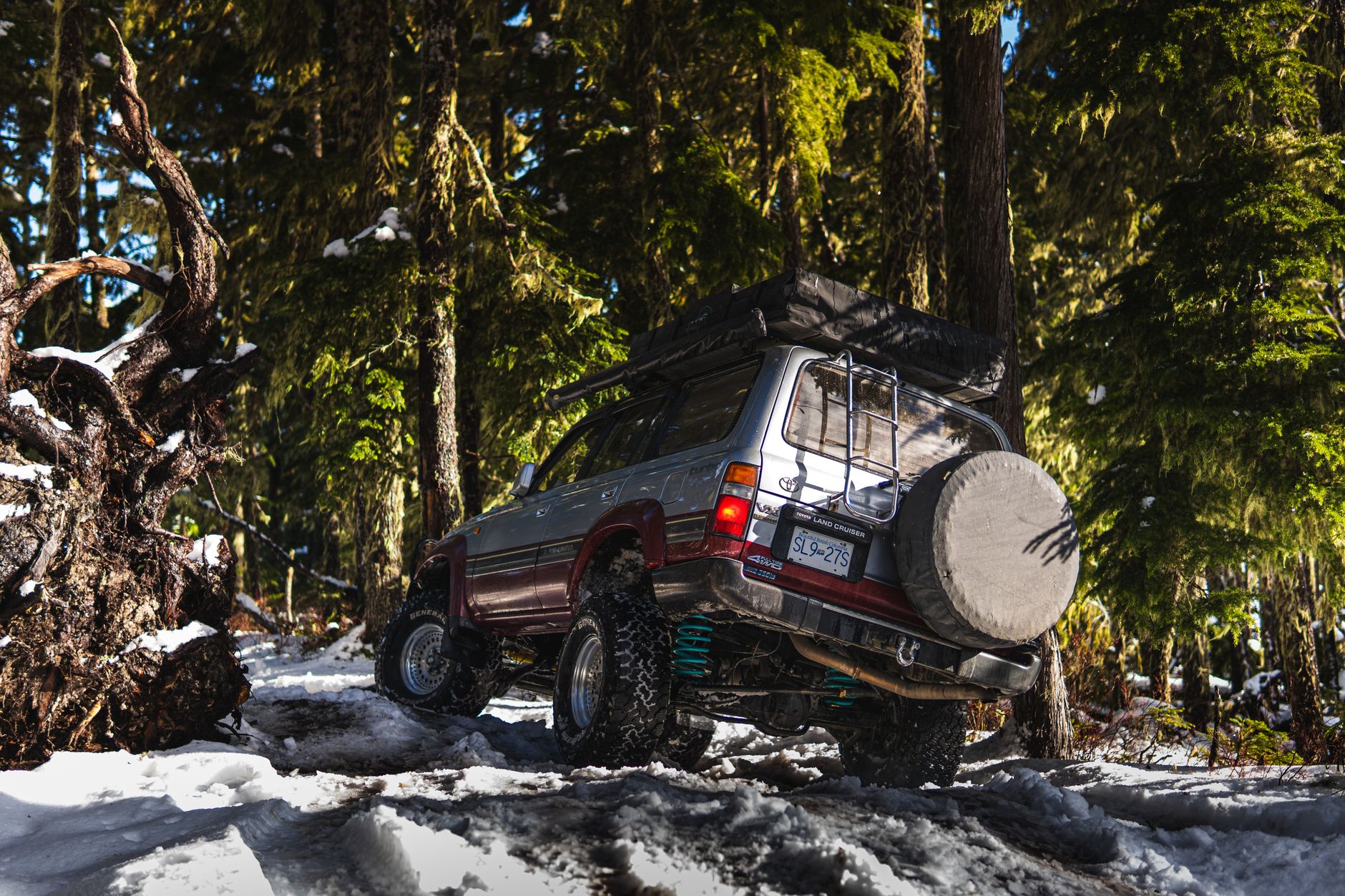
Is a Toyota RAV4 with 150,000 km worth buying?
SUV · Budget
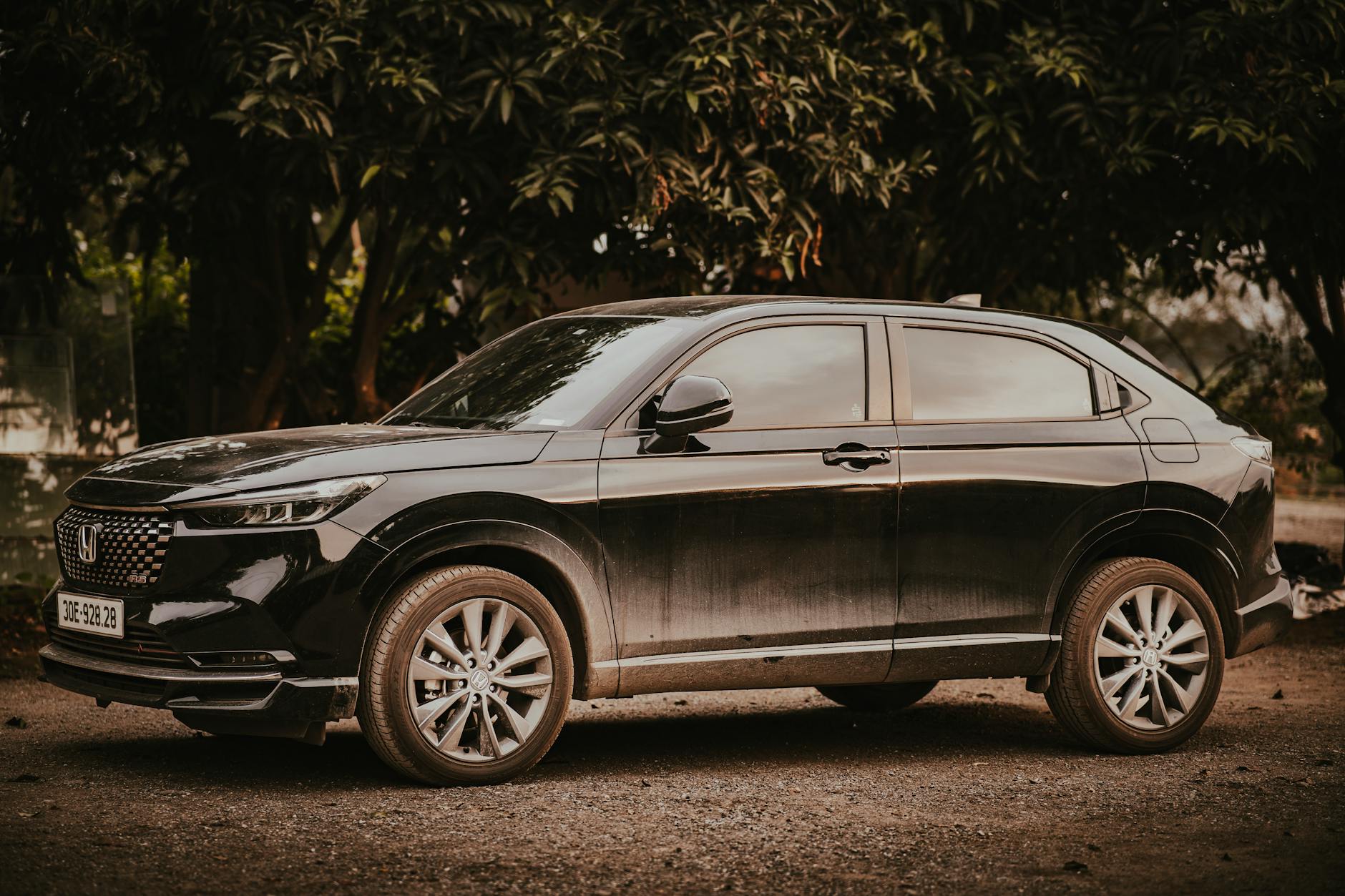
Honda CR-V vs Mazda CX-5 under $25k CAD

AWD · Winter
Subaru Outback vs Toyota RAV4 for AWD winter driving
AWD · Winter