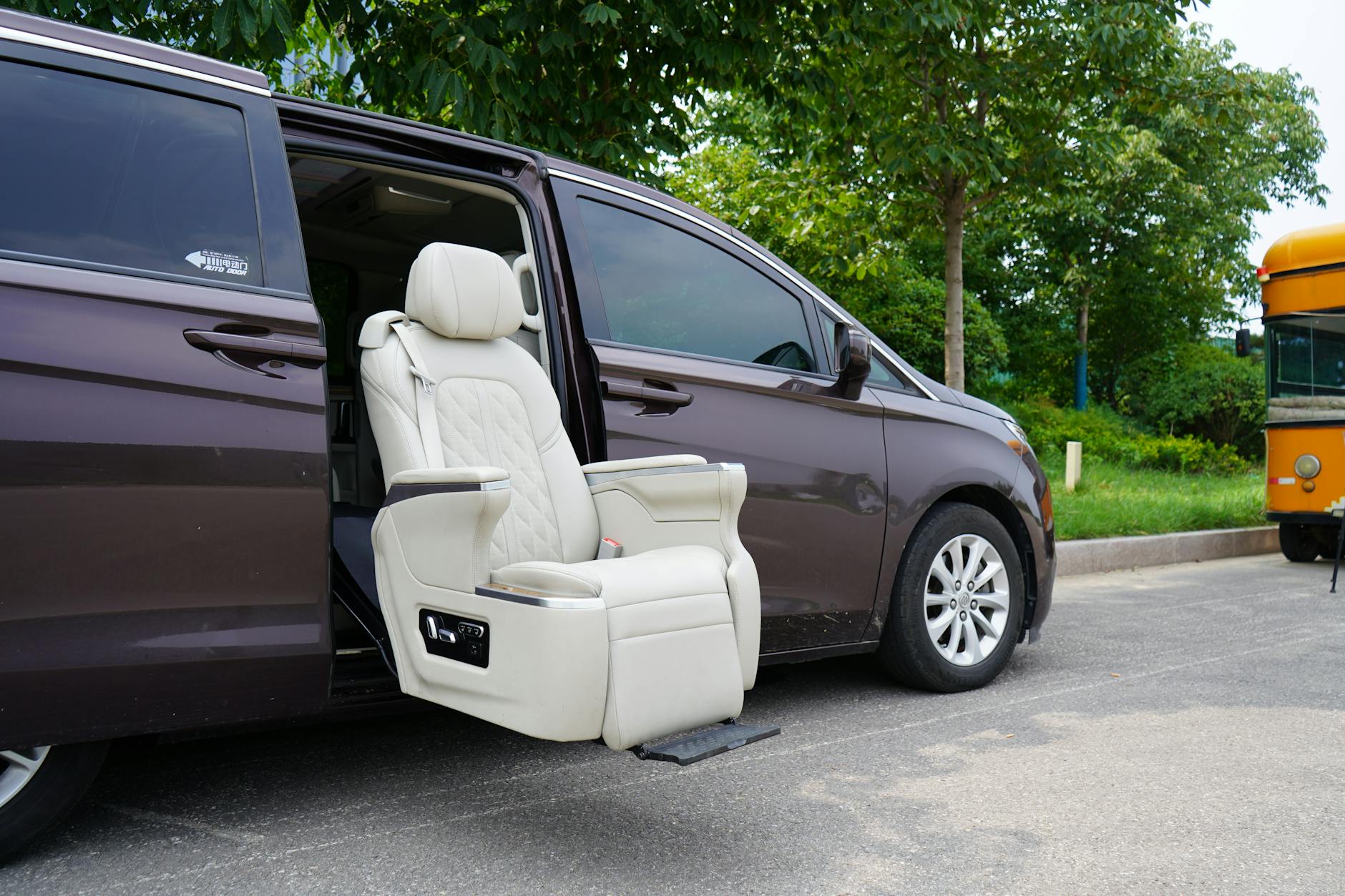
Photo: Wikimedia Commons (CC)

Honda Odyssey
Minivan · Gas · 13 versions · owner report
Ranked #4 of 5 minivans on owner data, price and fuel economy
Every generation
Power
Combined, EPA 2027
What owners say
Our take, from owner reports
The sentiment is strongly positive regarding the Odyssey's core attributes of practicality, comfort, and long-term reliability, particularly for family transportation.
7 problems reported (2 very frequent, 2 recurrent, 2 isolated) · high confidence
Problems owners report
- Very frequentTransmission reliability concerns
Specific to model years: early 2000s models have known failures; 2018-2019 EX and EX-L trims with the 9-speed ZF automatic exhibit hard shifts, lag, and long-term reliability worries.
- Very frequentTiming belt maintenance cost
Requires replacement approximately every 100,000 miles (160,000 km) or 7-10 years, a costly service ($1,500-$2,500 USD).
- RecurrentElectrical/electronic gremlins
Includes infotainment screen blackouts, rear entertainment system faults, sliding door sensor errors, and Bluetooth connectivity issues.
+ 4 more issuesShow fewer
- RecurrentPower steering pump noise/failure
Whining or groaning noise, often requiring pump replacement.
- IsolatedEngine mount failures
Particularly associated with VCM system wear, causing excessive vibration.
- IsolatedFuel economy discrepancy
Real-world fuel consumption noted as high, especially in city driving (e.g., 12-14L/100km or ~16-17 MPG).
- VCM (Variable Cylinder Management) system problems
Causes excessive oil consumption, fouled spark plugs, and premature piston ring wear leading to engine damage. Very frequent mention for 2005-2017 models.
The version owners recommend
For the fifth generation (2018+), models from 2020 onward are preferred as the more reliable 10-speed automatic transmission became standard across all trims. For the 2018-2019 model years, the Touring and Elite trims are specifically recommended as they came equipped with the 10-speed, avoiding the problematic 9-speed ZF transmission found in lower trims. For the fourth generation (2011-2017), the 2017 model year is noted as the most refined and reliable of that generation, being the final year before a redesign. Across all VCM-equipped generations (approx. 2005-2017), any model where the VCM system has been disabled via an aftermarket "muzzler" is considered significantly improved.
Competitors to consider
Owners compare it most often with the Toyota Sienna, Kia Carnival, Chrysler Pacifica (including Pacifica Hybrid), Honda Pilot and Toyota Grand Highlander.
Is the Odyssey right for you?
Get an answer for your year, mileage and budget.
Full owner reportHide full owner report
Overall sentiment
The sentiment is strongly positive regarding the Odyssey's core attributes of practicality, comfort, and long-term reliability, particularly for family transportation. It is consistently praised for its spacious interior, smooth driving dynamics compared to SUVs, and utility as a cargo hauler. However, owner sentiment is heavily qualified by generation-specific mechanical concerns. The primary criticism centers on the reliability of certain powertrain components, most notably the Variable Cylinder Management (VCM) system in 2005-2017 models, which is linked to excessive oil consumption and premature engine wear, and problematic transmissions in specific model years (notably the 9-speed ZF unit in 2018-2019 non-Touring/Elite trims). Owners who proactively address these known issues (e.g., disabling VCM, adhering to strict maintenance) report exceptional longevity, with many examples exceeding 200,000 miles. The vehicle is seen as a high-value, durable choice for families, but one that requires informed purchasing and diligent, sometimes costly, preventative maintenance.
Positioning vs competitors
The Odyssey is positioned as the driver-focused and practical minivan, often noted for superior driving dynamics and interior packaging (e.g., abundant front storage) compared to the Toyota Sienna, though the Sienna's hybrid powertrain and perceived bulletproof reliability are frequently cited as key advantages. Versus the Kia Carnival, the Odyssey is viewed as having superior long-term build quality, reliability, and a more traditional, functional interior layout, while the Carnival is acknowledged for more modern styling and technology. The Chrysler Pacifica (especially the Plug-in Hybrid) is recognized for its innovative Stow 'n Go seating and electrification but is consistently criticized for perceived inferior reliability and electrical system glitches. The consensus positions the Odyssey as a top choice for buyers prioritizing a blend of driving comfort, proven Honda mechanicals (with caveats), and family-friendly utility over maximum fuel economy or cutting-edge tech.
Recommended configurations
A pre-purchase inspection (PPI) is universally recommended, with a specific focus on checking for oil consumption (spark plug condition, compression test) to identify VCM-related piston ring wear, and verifying transmission service history. For 2018-2019 models, confirming the vehicle has the 10-speed transmission (Touring/Elite trims) is critical. For high-mileage examples, proof of timing belt/water pump replacement is essential. Disabling the VCM system on applicable models is a very frequent recommendation. Using high-quality synthetic oil and adhering to a strict 5,000-mile oil change interval is advised. For new purchases, an extended warranty (HondaCare) is mentioned as a consideration due to the complexity of modern electronics.
General recommendations
Highly recommended for families needing maximum space and practicality, and for owners willing to perform or budget for scheduled major maintenance (timing belts). It is an excellent choice for buyers seeking a used vehicle that can reliably reach high mileage (200,000+ miles) with proper care. NOT recommended for buyers who neglect maintenance or are unwilling to address known issues like VCM. Strongly advised to avoid 2018-2019 EX and EX-L trims due to the 9-speed transmission issues. When shopping used, prioritize service records and a clean PPI over low mileage alone. Be prepared to negotiate on price if major upcoming maintenance (timing belt) is due.
Remarks
Owner feedback is sharply divided by generation and specific powertrain. The VCM issue is a dominant theme for a wide range of model years, creating a significant owner-driven aftermarket for disablers. The transmission problems are not universal but are severe enough to define the desirability of specific model years (2018-2019). The high cost of timing belt service is a significant, expected long-term ownership expense that distinguishes it from chain-driven competitors. Positive reports of reliability overwhelmingly come from owners who are meticulous about maintenance and have addressed known flaws. The data includes references to a fatal accident involving a 2004 model's third-row seat, but this is an isolated incident in the provided dataset and not presented as a recurring fault by the owner community. Analysis based on approximately 75 substantive owner discussions and inquiries.
Generation by generation
Owner insights per generation and US complaint/recall records (NHTSA).
Complaints and recalls by model yearWorst year: 2019. Years to avoid: 2019, 2018, 2005, 2003, 2002Source: NHTSA (US)Show table
Each year graded against the model's other years: Year Score. See all Honda Odyssey years to avoid
| Year | Complaints | Recalls | Most-reported area |
|---|---|---|---|
| 2026 | 38 | 2 | unknown or other |
| 2025 | 379 | 2 | electrical system |
| 2024 | 107 | 3 | electrical system |
| 2023 | 99 | 5 | electrical system |
| 2022 | 135 | 9 | electrical system |
| 2021 | 141 | 8 | electrical system |
| 2020 | 470 | 14 | forward collision avoidance |
| 2019 | 966 | 20 | forward collision avoidance |
| 2018 | 990 | 16 | electrical system |
| 2017 | 39 | 2 | engine |
| 2016 | 269 | 6 | engine |
| 2015 | 206 | 6 | engine |
| 2014 | 307 | 5 | power train |
| 2013 | 210 | 6 | engine |
Complaint counts come from owner reports filed with the US National Highway Traffic Safety Administration. Higher-selling years naturally accumulate more complaints.
Recall notices204 on record · Source: NHTSA (US)Show recalls
2026 · equipment adaptive/mobility:wheelchair restraints/securement:latch/anchor:campaign 25V877000
Vantage Mobility, LLC (VM) is recalling certain 2021-2026 Honda Odyssey, 2021-2025 Chrysler Pacifica, and Toyota Sienna vehicles equipped with QRT-Deluxe and QRT-Max wheelchair restraints. The retractors may not lock, preventing the wheelchair from being properly secured.
2026 · air bags:sensor:occupant classification:front passengercampaign 26V332000
Honda (American Honda Motor Co.) is recalling certain 2018-2021, 2023 Acura TLX, 2019-2024 RDX, 2017-2020, 2022-2026 MDX, 2017-2021, 2023, 2025 Honda Ridgeline, 2017-2022 Pilot, 2019-2021 Passport, 2018-2026 Odyssey, 2019-2022 Insight, 2019-2021 HR-V, 2018-2020 Fit, 2020-2022 CR-V Hybrid, 2017-2022 CR-V, 2017-2018, 2021 Civic Type R, 2017-2021 Civic hatchback, 2016-2020 Civic coupe, 2016-2022 Civic, 2017-2022 Accord Hybrid, and 2016-2022 Accord vehicles. The front passenger seat weight sensor may crack and short circuit, which can cause the air bags to deploy unintentionally during a crash.
2025 · equipment adaptive/mobility:wheelchair restraints/securement:latch/anchor:campaign 25V877000
Vantage Mobility, LLC (VM) is recalling certain 2021-2026 Honda Odyssey, 2021-2025 Chrysler Pacifica, and Toyota Sienna vehicles equipped with QRT-Deluxe and QRT-Max wheelchair restraints. The retractors may not lock, preventing the wheelchair from being properly secured.
2025 · air bags:sensor:occupant classification:front passengercampaign 26V332000
Honda (American Honda Motor Co.) is recalling certain 2018-2021, 2023 Acura TLX, 2019-2024 RDX, 2017-2020, 2022-2026 MDX, 2017-2021, 2023, 2025 Honda Ridgeline, 2017-2022 Pilot, 2019-2021 Passport, 2018-2026 Odyssey, 2019-2022 Insight, 2019-2021 HR-V, 2018-2020 Fit, 2020-2022 CR-V Hybrid, 2017-2022 CR-V, 2017-2018, 2021 Civic Type R, 2017-2021 Civic hatchback, 2016-2020 Civic coupe, 2016-2022 Civic, 2017-2022 Accord Hybrid, and 2016-2022 Accord vehicles. The front passenger seat weight sensor may crack and short circuit, which can cause the air bags to deploy unintentionally during a crash.
2024 · steeringcampaign 24V114000
Honda (American Honda Motor Co.) is recalling certain 2023-2024 Odyssey and 2024 Acura RDX vehicles. The steering gear box assembly may not have been tightened properly, allowing water to enter the assembly and cause corrosion and binding gears.
2024 · equipment adaptive/mobility:wheelchair restraints/securement:latch/anchor:campaign 25V877000
Vantage Mobility, LLC (VM) is recalling certain 2021-2026 Honda Odyssey, 2021-2025 Chrysler Pacifica, and Toyota Sienna vehicles equipped with QRT-Deluxe and QRT-Max wheelchair restraints. The retractors may not lock, preventing the wheelchair from being properly secured.
2024 · air bags:sensor:occupant classification:front passengercampaign 26V332000
Honda (American Honda Motor Co.) is recalling certain 2018-2021, 2023 Acura TLX, 2019-2024 RDX, 2017-2020, 2022-2026 MDX, 2017-2021, 2023, 2025 Honda Ridgeline, 2017-2022 Pilot, 2019-2021 Passport, 2018-2026 Odyssey, 2019-2022 Insight, 2019-2021 HR-V, 2018-2020 Fit, 2020-2022 CR-V Hybrid, 2017-2022 CR-V, 2017-2018, 2021 Civic Type R, 2017-2021 Civic hatchback, 2016-2020 Civic coupe, 2016-2022 Civic, 2017-2022 Accord Hybrid, and 2016-2022 Accord vehicles. The front passenger seat weight sensor may crack and short circuit, which can cause the air bags to deploy unintentionally during a crash.
2023 · back over prevention:display functioncampaign 23V431000
Honda (American Honda Motor Co.) is recalling certain 2018-2023 Odyssey, 2019-2022 Pilot, and 2019-2023 Passport vehicles. Due to a faulty Media Oriented Systems Transport (MOST) communication coaxial cable connector, the rearview camera image may not appear on the display. As such, these vehicles fail to comply with the requirements of Federal Motor Vehicle Safety Standard number 111, "Rear Visibility."
2023 · steeringcampaign 24V114000
Honda (American Honda Motor Co.) is recalling certain 2023-2024 Odyssey and 2024 Acura RDX vehicles. The steering gear box assembly may not have been tightened properly, allowing water to enter the assembly and cause corrosion and binding gears.
2023 · fuel system, gasoline:delivery:fuel pumpcampaign 23V858000
Honda (American Honda Motor Co.) is recalling certain 2013-2023 Honda Accord, Civic Coupe, Civic Sedan, Civic Hatchback, Civic Type R, CR-V, HR-V, Ridgeline, Odyssey, Acura ILX, MDX, MDX Hybrid, RDX, RLX, TLX, 2019-2022 Honda Insight, Passport, 2020 Honda CR-V Hybrid, 2018-2019 Honda Clarity PHEV, Fit, and 2015-2020 Honda Accord Hybrid, Pilot, Acura NSX vehicles. The fuel pump inside the fuel tank may fail.
2023 · equipment adaptive/mobility:wheelchair restraints/securement:latch/anchor:campaign 25V877000
Vantage Mobility, LLC (VM) is recalling certain 2021-2026 Honda Odyssey, 2021-2025 Chrysler Pacifica, and Toyota Sienna vehicles equipped with QRT-Deluxe and QRT-Max wheelchair restraints. The retractors may not lock, preventing the wheelchair from being properly secured.
2023 · air bags:sensor:occupant classification:front passengercampaign 26V332000
Honda (American Honda Motor Co.) is recalling certain 2018-2021, 2023 Acura TLX, 2019-2024 RDX, 2017-2020, 2022-2026 MDX, 2017-2021, 2023, 2025 Honda Ridgeline, 2017-2022 Pilot, 2019-2021 Passport, 2018-2026 Odyssey, 2019-2022 Insight, 2019-2021 HR-V, 2018-2020 Fit, 2020-2022 CR-V Hybrid, 2017-2022 CR-V, 2017-2018, 2021 Civic Type R, 2017-2021 Civic hatchback, 2016-2020 Civic coupe, 2016-2022 Civic, 2017-2022 Accord Hybrid, and 2016-2022 Accord vehicles. The front passenger seat weight sensor may crack and short circuit, which can cause the air bags to deploy unintentionally during a crash.
2022 · tires:sidewallcampaign 21V768000
Honda (American Honda Motor Co.) is recalling certain 2022 Odyssey vehicles equipped with Bridgestone tires. The affected vehicles may have a tire that contains a pinhole, causing a slow air leak. As such, these tires fail to comply with the requirements of Federal Motor Vehicle Safety Standard (FMVSS) number 139, "New Pneumatic Radial Tires for Light Vehicles."
2022 · seatscampaign 21V432000
Honda (American Honda Motor Co.) is recalling certain 2022 Odyssey vehicles. The second-row outboard seats may have deformed seat rail locking mechanisms, which could prevent the seat rails from locking into place.
2022 · visibility:rearview mirrors/devices:exteriorcampaign 23V174000
Honda (American Honda Motor Co) is recalling certain 2020-2021 Pilot and Ridgeline, and 2020-2022 Passport and Odyssey vehicles. The heating pads behind both side-view mirrors may not be bonded properly, allowing the mirror glass to detach. As such, these vehicles fail to comply with the requirements of Federal Motor Vehicle Safety Standard number 111, "Rear Visibility."
189 older recalls not shown. Check nhtsa.gov with your VIN for the full history.
Specifications
3.5 V6
3.5L 6-cylinder · 280 hp · FWD · automatic
Built 2024–2026