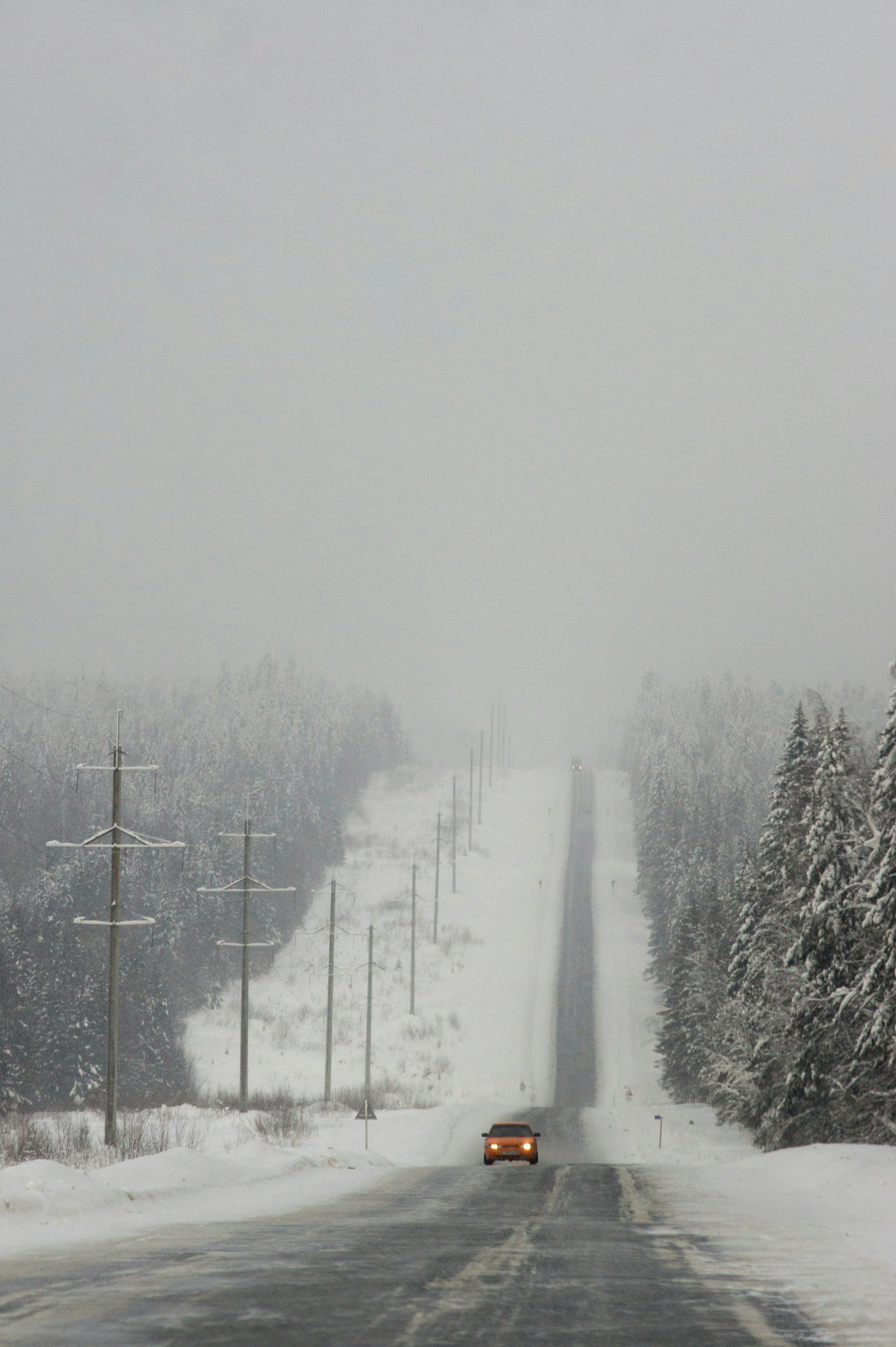
Photo: Wikimedia Commons (CC)
Ford Escape
SUV · Gas · 37 versions · owner report
Ranked #16 of 26 compact SUVs on owner data, price and fuel economy
Every generation
Power
Combined, EPA 2026
What owners say
Our take, from owner reports
Sentiment is sharply divided by generation and powertrain, with no single consensus.
11 problems reported (3 very frequent, 5 recurrent, 3 isolated) · high confidence
Problems owners report
- Very frequentCatastrophic engine failure (coolant intrusion into cylinders)
Affects 1.5L, 1.6L, and some 2.0L EcoBoost engines. Described as a design defect leading to eventual engine replacement.
- Very frequentNumerous recalls
Including for bush bearings that inhibit gear changes and other safety items, with parts often on backorder.
- Very frequentSevere frame and body rust
Particularly around rear shock mounts and wheel wells, often leading to structural failure.
+ 8 more issuesShow fewer
- RecurrentHigh-pressure fuel system failures
Camshaft wear leading to fuel pump failure, requiring engine removal on some models.
- RecurrentTransmission problems
Including failures, notably with the 6F35 transmission unless fluid is changed very regularly.
- Recurrent1.5L EcoBoost "Dragon" engine reliability
Concerns over cooling system failures, water pump issues, coolant contamination, and excessive vibration.
- RecurrentHigh fuel consumption
Especially with V6 engines.
- RecurrentPoor dealer service experiences
Long repair times, lack of loaner vehicles, and disputes over warranty coverage.
- IsolatedPaint peeling
Reported on models around 3 years old.
- IsolatedSYNC infotainment issues
Requires battery disconnection to reset, fails to recognize media sources.
- IsolatedCylinder deactivation shudder
In 1.5L engines, a sputtering sensation at low speeds (under 20 mph/32 km/h) when coasting.
The version owners recommend
For the 2013-2019 generation, the 2.0L EcoBoost engine is repeatedly cited as the more reliable and powerful choice compared to the 1.5L or 1.6L EcoBoost engines. For the 2020+ generation, the Hybrid (particularly the Platinum trim) and the 2.0L EcoBoost are strongly recommended over the 1.5L EcoBoost. The Titanium trim is often mentioned for its high feature content. For older generations (pre-2013), models equipped with the V6 engine are viewed favorably for their durability.
Competitors to consider
Owners compare it most often with the Honda CR-V, Toyota RAV4, Mazda CX-5, Subaru Forester and Hyundai Tucson.
Is the Escape right for you?
Get an answer for your year, mileage and budget.
Full owner reportHide full owner report
Overall sentiment
Sentiment is sharply divided by generation and powertrain, with no single consensus. Long-term owners of the first-generation (circa 2001-2007) and second-generation (circa 2008-2012) models with V6 engines report them as durable "tanks" capable of high mileage (200,000+ miles/320,000+ km), though they are noted for significant rust issues and poor fuel economy. The third generation (2013-2019) is the source of the most frequent and severe criticism, with widespread reports of catastrophic engine failures (coolant intrusion into cylinders), numerous recalls, and high repair costs, leading to strong negative sentiment and brand alienation among affected owners. The fourth generation (2020+) receives more mixed but cautious feedback; it is praised for its driving dynamics, fuel efficiency (especially hybrid models), and modern features, but significant apprehension remains regarding the reliability of the 1.5L EcoBoost engine. Satisfaction is heavily dependent on avoiding problematic model years and engines.
Positioning vs competitors
Positioned as a more affordable and often better-driving alternative to segment leaders like the Honda CR-V and Toyota RAV4, but with a significant trade-off in perceived long-term reliability. Community feedback frequently notes that the Escape can be found for $8,000 USD or more below the price of a comparable CR-V or RAV4 on the used market, which some owners feel justifies potential higher maintenance costs. It is consistently described as sportier and more engaging to drive than many Japanese competitors. However, it is broadly considered inferior to the Mazda CX-5 in terms of interior refinement, reliability, and cabin quietness. The Escape Hybrid is noted as a compelling, efficient, and powerful option that competes well with hybrid offerings from Toyota and Honda.
Recommended configurations
For the 2013-2019 generation: Avoid the 1.5L and 1.6L EcoBoost engines due to coolant intrusion defects. Seek the 2.0L EcoBoost engine. For any generation: AWD is recommended for winter driving and resale value. For the 2020+ generation: Choose the Hybrid powertrain or the 2.0L EcoBoost. Avoid the 1.5L "Dragon" engine due to cooling system and vibration issues. Verify detailed service history, especially frequent transmission fluid changes (every 30,000 miles/48,000 km is suggested for older models). Thoroughly inspect for rust on the frame and shock mounts, particularly on older models.
General recommendations
Recommended for buyers who prioritize driving engagement and upfront value over long-term reliability, and who are willing to perform diligent maintenance. Suitable for those who can secure a significant price discount compared to Japanese competitors. NOT recommended for buyers seeking a "set-it-and-forget-it" vehicle with minimal repair concerns. Essential to obtain a comprehensive vehicle history report and a pre-purchase inspection by a trusted mechanic, with a specific focus on the engine block for coolant leaks (2013-2019 models) and frame rust (older models). An extended warranty is frequently suggested if purchasing a model with a known problematic powertrain. For new purchases, aggressive negotiation is expected as dealer incentives are common.
Remarks
Owner feedback is highly engine-specific. The 1.5L and 1.6L EcoBoost engines (2013-2019) have a severely damaged reputation, with a consensus that most will eventually suffer coolant intrusion. The 2.0L EcoBoost and the hybrid powertrain are viewed more favorably. There is a noted trend of declining confidence in Ford's post-2008 vehicle reliability outside of trucks, with many long-time Ford owners stating the Escape was their final Ford car purchase. The data covers multiple generations, leading to polarized views; an owner of a reliable 2011 V6 model and an owner of a failed 2017 1.5L model have fundamentally different experiences. Analysis based on approximately 55 substantive owner discussions and inquiries.
Generation by generation
Owner insights per generation and US complaint/recall records (NHTSA).
Escape IV2019–20263,780 complaints · 104 recallshigh confidenceRead report
Most-reported areas (NHTSA): structure (897) · engine (751) · unknown or other (575)
Our take, from owner reports
Owner sentiment toward the fourth-generation Escape is mixed, with praise for the hybrid powertrain's reliability and the 2.0L engine's performance, but significant criticism of the 1.5L engine, 12V battery issues, wind noise, and parts delays.
19 problems reported (1 very frequent, 8 recurrent, 10 isolated) · high confidence
Problems owners report
- Very frequent12V battery failures causing app connectivity issues, slow system shutdown, and starting problems
- Recurrent1.5L three-cylinder engine failures requiring replacement
- RecurrentSeat leather cracking or tearing on Premium trim
+ 16 more issuesShow fewer
- RecurrentPre-Collision Assist disabled warning due to frost, ice, or dirt on sensors
- RecurrentWind noise from driver side mirror area
- RecurrentTransmission failures on 2020 models requiring replacement
- RecurrentParts delays for warranty repairs, sometimes lasting months
- RecurrentAPIM/infotainment module failures causing GPS, CarPlay, and audio issues
- RecurrentCarPlay connectivity issues including spotty connections and audio problems
- IsolatedHybrid stuck in park due to shifter dial or brake switch issues
- IsolatedRandom electrical gremlins on 2020 hybrid including braking issues and warning codes
- IsolatedRear window mechanism failure
- IsolatedPanoramic roof mechanism failure
- IsolatedWastegate rattle on EcoBoost engines
- IsolatedCluster surround trim warping
- IsolatedAlarm false triggers due to overly sensitive ultrasonic sensors
- IsolatedA/C intermittent failure
- IsolatedDoor weld failure requiring door replacement
- IsolatedRear differential fluid specification confusion
Is a 2019–2026 Escape right for you?
Get an answer for your year, mileage and budget.
Escape III2013–201912,189 complaints · 58 recallshigh confidenceRead report
Most-reported areas (NHTSA): engine (5481) · power train (2278) · unknown or other (1169)
Our take, from owner reports
Owner sentiment is mixed but leans positive for owners who have had trouble-free experiences, with several reporting high mileage and strong satisfaction.
13 problems reported (2 very frequent, 4 recurrent, 7 isolated) · high confidence
Problems owners report
- Very frequentCoolant intrusion into engine cylinders on 1.5L and 1.6L engines, causing engine destruction
- Very frequentMyFord Touch infotainment system bugs, glitches, and poor navigation
- RecurrentTransmission failures, particularly on 2013 models, including bushing issues addressed by recall
+ 10 more issuesShow fewer
- RecurrentSYNC system Bluetooth connectivity problems and audio dropouts
- RecurrentBattery dying prematurely, often around 50,000-60,000 miles
- RecurrentOEM lug nuts swelling and becoming difficult to remove
- IsolatedDoor handle sticking open in cold weather (recall issued)
- IsolatedTurbo or turbo wastegate solenoid failure around 100,000 miles
- IsolatedVehicle locking itself while running with key inside
- IsolatedCoolant leaks requiring transmission removal to access
- IsolatedRemote start failure related to Battery Monitoring System connection
- IsolatedCarPlay connectivity issues requiring SYNC updates or "Hey Siri" disabling
- IsolatedKey fob not responding, requiring reprogramming
Is a 2013–2019 Escape right for you?
Get an answer for your year, mileage and budget.
Escape II2008–201214,792 complaints · 18 recallshigh confidenceRead report
Most-reported areas (NHTSA): steering (5342) · power train (2760) · vehicle speed control (2466)
Our take, from owner reports
Owners of the 2008-2012 Escape generally describe it as a tough, capable, and reliable small SUV, with many praising its snow performance, off-road ability for a unibody crossover, and overall durability at high mileage.
13 problems reported (8 recurrent, 5 isolated) · high confidence
Problems owners report
- RecurrentTransmission failure on 2008 models, requiring replacement before 150,000 miles
- RecurrentElectric power steering torque sensor failure after 100,000 miles
Causing power steering loss at highway speed.
- RecurrentRust on rear wheel wells, shock mounts, and front subframe, especially in salt-belt regions
+ 10 more issuesShow fewer
- RecurrentWater pump failure on V6 models, difficult to replace and can cause engine overheating
- RecurrentA/C desiccant bag rupture in receiver dryer on 2009-2012 models
Filling system with sand and requiring full system replacement.
- RecurrentBlower motor resistor failure causing A/C issues
Related to water entering the heater core housing through the cowl.
- RecurrentWindow regulator failures requiring replacement
- RecurrentSync system bugs, Bluetooth connectivity issues, and no longer supported by Ford
- IsolatedDoor handle sticking open in cold weather
- IsolatedThrottle body issues causing stalling
- IsolatedIgnition cylinder tumbler failure requiring replacement
- IsolatedAxle seal leak at 45,000 miles
- IsolatedLack of separate transmission oil cooler leading to "milkshake" transmission fluid
Is a 2008–2012 Escape right for you?
Get an answer for your year, mileage and budget.
Escape I2000–20078,627 complaints · 56 recallshigh confidenceRead report
Most-reported areas (NHTSA): suspension (1374) · service brakes (1245) · structure (1177)
Our take, from owner reports
Owners generally view this generation as a decent, affordable used SUV with capable V6 engines and respectable reliability when maintained.
20 problems reported (2 very frequent, 8 recurrent, 10 isolated) · high confidence
Problems owners report
- Very frequentRear shock mount and frame rust causing structural failure
- Very frequentAutomatic transmission (CD4E) failure
Slipping, or hard shifting, especially without regular fluid changes.
- RecurrentEngine stalling when coming to a stop or engaging drive/reverse (torque converter issue, TSB 07-5-6)
+ 17 more issuesShow fewer
- RecurrentValve cover gasket leaks causing burning oil smell
- RecurrentAlternator failure around 130k miles
- RecurrentElectrical issues (blinkers and components turning on/off) traced to failing alternator, battery, or grounds
- RecurrentMotor mount failure causing vibration when stopped in gear
- RecurrentWheel bearings failing around 120k miles
- RecurrentRust around doors, rear hatch, and hatch window
- RecurrentOil filter housing or oil filter adapter leaks
- IsolatedWater pump failure around 90-120k miles
- IsolatedWindow regulator failure
- IsolatedRear brake lines failing around 115-120k miles
- IsolatedEnd links failing around 30k miles
- IsolatedTransfer case noise
- IsolatedTiming chain guide rattle on V6 (plastic guides)
- IsolatedHybrid battery pack degradation on older vehicles
- IsolatedGPS/date display reset issue on hybrid models with navigation
- IsolatedCreaking noises from front wheel at low speeds
- IsolatedInstrument cluster electrical problems
Is a 2000–2007 Escape right for you?
Get an answer for your year, mileage and budget.
Complaints and recalls by model yearWorst year: 2008. Years to avoid: 2020, 2014, 2013, 2010, 2008, 2005Source: NHTSA (US)Show table
Each year graded against the model's other years: Year Score. See all Ford Escape years to avoid
| Year | Complaints | Recalls | Most-reported area |
|---|---|---|---|
| 2026 | 4 | 2 | electrical system |
| 2025 | 30 | 10 | electrical system |
| 2024 | 87 | 10 | electrical system |
| 2023 | 134 | 13 | electrical system |
| 2022 | 381 | 21 | engine |
| 2021 | 728 | 21 | structure |
| 2020 | 1,822 | 24 | structure |
| 2019 | 594 | 3 | engine |
| 2018 | 1,806 | 4 | engine |
| 2017 | 2,691 | 4 | engine |
| 2016 | 1,146 | 4 | power train |
| 2015 | 1,110 | 9 | power train |
| 2014 | 2,088 | 16 | engine |
| 2013 | 2,754 | 18 | engine |
Complaint counts come from owner reports filed with the US National Highway Traffic Safety Administration. Higher-selling years naturally accumulate more complaints.
Recall notices233 on record · Source: NHTSA (US)Show recalls
2026 · seat belts:rear/other:retractorcampaign 25V862000
Ford Motor Company (Ford) is recalling certain 2025-2026 Corsair and Escape vehicles. The seat belt retractors for the left and right rear passenger seats may not be securely fastened.
2026 · power train:automatic transmission:internal:park pawlcampaign 26V301000
Ford Motor Company (Ford) is recalling certain 2026 Escape and Lincoln Corsair vehicles. The integrated park module may fail to lock into the park position when the driver shifts into park. As such, these vehicles fail to comply with the requirements of Federal Motor Vehicle Safety Standard (FMVSS) number 114, "Theft Protection and Rollaway Prevention."
2025 · electrical system: instrument cluster/panelcampaign 24V850000
Ford Motor Company (Ford) is recalling certain 2024-2025 Escape vehicles. The passenger side instrument panel cover may have been manufactured incorrectly, which can cause the air bag not to deploy as intended. As such, these vehicles fail to comply with the requirements of Federal Motor Vehicle Safety Standard number 208, "Occupant Crash Protection."
2025 · electrical system: instrument cluster/panelcampaign 25V049000
Ford Motor Company (Ford) is recalling certain 2025 Bronco Sport, Escape, and Lincoln Corsair vehicles. The Instrument Panel Cluster (IPC) may not illuminate at startup or while driving. As such, these vehicles fail to comply with the requirements of Federal Motor Vehicle Safety Standard numbers 101, "Control and Displays" and 102, "Transmission shift lever sequence, starter interlock, and transmission braking effect" as well as FMVSS numbers 126, 108, 135, 138, 208, and 305.
2025 · back over prevention: sensing system: cameracampaign 25V161000
Ford Motor Company (Ford) is recalling certain 2025 Escape vehicles. The rearview camera may incorrectly display an inverted image when the vehicle is in reverse. As such, these vehicles fail to comply with the requirements of Federal Motor Vehicle Safety Standard number 111, "Rear Visibility."
2025 · electrical systemcampaign 25V343000
Ford Motor Company (Ford) is recalling certain 2024-2025 Lincoln Nautilus, 2023-2025 Escape, 2023 Lincoln Corsair, 2025 Lincoln Corsair, Maverick, and Bronco Sport vehicles equipped with a 1.5L or 2.0L MPC engine and an engine block heater. The engine block heater may overheat when the vehicle is parked with the block heater plugged in.
2025 · enginecampaign 25V372000
Ford Motor Company (Ford) is recalling certain 2023-2025 Escape, and 2025 Bronco Sport vehicles. The cylinder head may have been improperly manufactured, which can cause the ball plugs to fail, resulting in an oil leak.
2025 · electronic stability control (esc)campaign 25V787000
Ford Motor Company (Ford) is recalling certain 2025 Maverick and Escape vehicles. The cover for the electric brake booster's ECU may cause the printed circuit board to overheat and result in a loss of vehicle stability control systems (anti-lock braking, electronic stability control, and traction control) or a loss of brake power assist.
2025 · structure:body:hatchback/liftgate:hinge and attachmentscampaign 25V829000
Ford Motor Company (Ford) is recalling certain 2020-2022 Escape and 2025 Escape vehicles. The liftgate hinge covers may not be properly secured and detach from the vehicle.
2025 · seat belts:rear/other:retractorcampaign 25V862000
Ford Motor Company (Ford) is recalling certain 2025-2026 Corsair and Escape vehicles. The seat belt retractors for the left and right rear passenger seats may not be securely fastened.
2025 · engine and engine cooling:exhaust system:emission control:gas recirculation valve (egr valve)campaign 26V122000
Ford Motor Company (Ford) is recalling certain 2025 Ranger, Lincoln Nautilus, Mustang, Maverick, Explorer, Escape, Lincoln Corsair, Bronco Sport, and Bronco vehicles. The exhaust gas recirculation (EGR) valve may fail, resulting in an unexpected loss of drive power.
2025 · electrical system:propulsion system:traction batterycampaign 26V091000
Ford Motor Company (Ford) is recalling certain 2022-2026 Ford Escape and 2023-2026 Lincoln Corsair plug-in hybrid vehicles. A manufacturing defect in one or more of the high voltage battery cells may result in an internal short circuit and battery failure.
2024 · forward collision avoidance: adaptive cruise controlcampaign 24V440000
Ford Motor Company (Ford) is recalling certain 2023-2024 Escape two-wheel drive vehicles equipped with adaptive cruise control. The cruise control radar module was misaligned during production.
2024 · fuel system, gasoline:fuel injection system:injectorscampaign 24V634000
Ford Motor Company (Ford) is recalling certain 2023 Lincoln Corsair, 2023-2024 Escape, 2024 Mustang, and 2025 Explorer vehicles. The fuel injectors may have been assembled without O-ring support discs, which can result in a fuel leak.
2024 · equipment:other:labelscampaign 24V852000
Ford Motor Company (Ford) is recalling certain 2020-2025 Explorer, Lincoln Aviator, 2020-2024 Escape, Lincoln Corsair, 2018-2024 F-150, Expedition and Lincoln Navigator vehicles. The air bag warning label may be missing from the dashboard. As such, these vehicles fail to comply with the requirement Federal Motor Vehicle Safety Standard number 208, "Occupant Crash Protection."
218 older recalls not shown. Check nhtsa.gov with your VIN for the full history.
Specifications
ST-Line 2.0 EcoBoost
2.0L 4-cylinder · 250 hp · AWD · automatic
Built 2023–2026