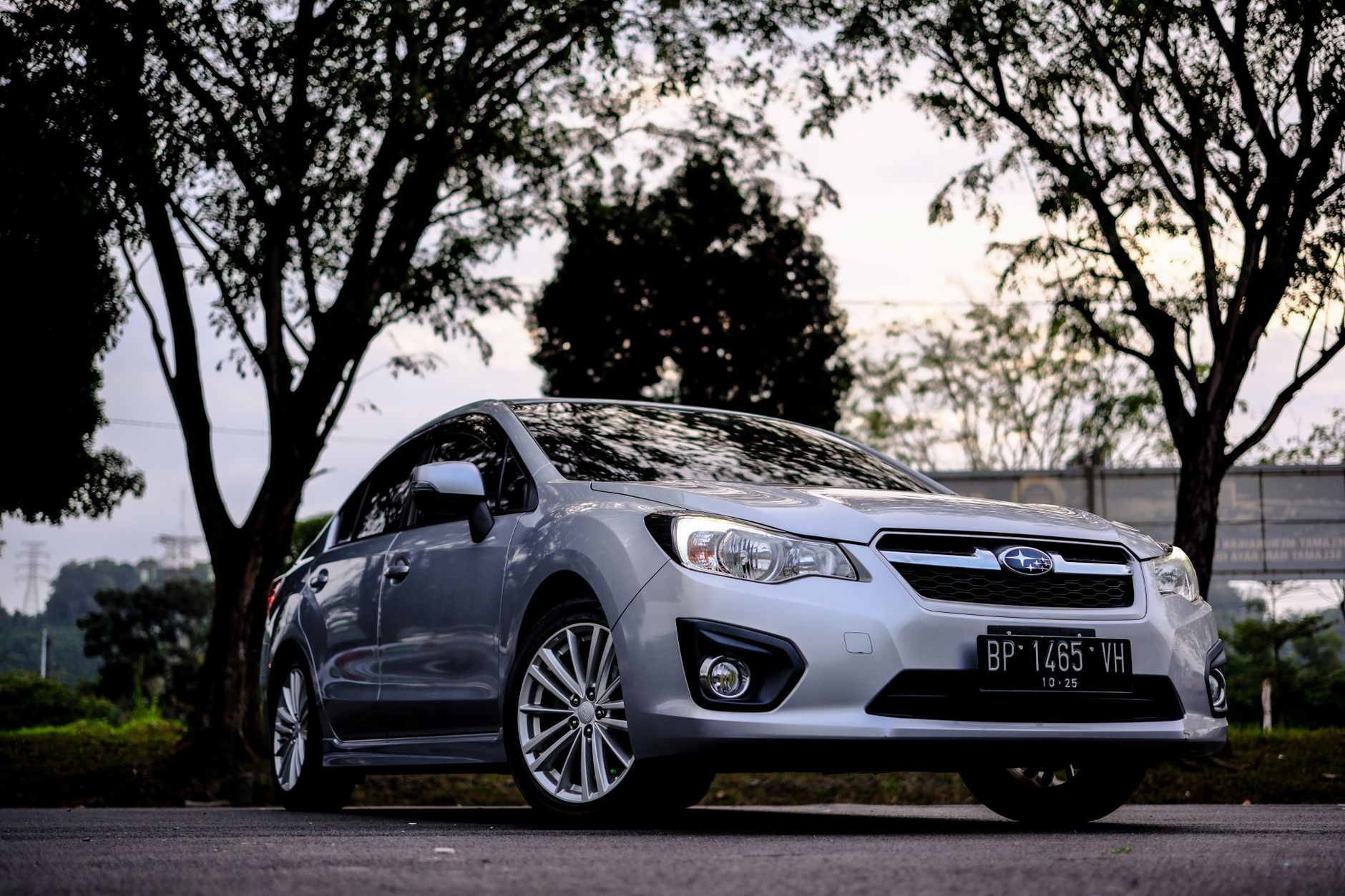
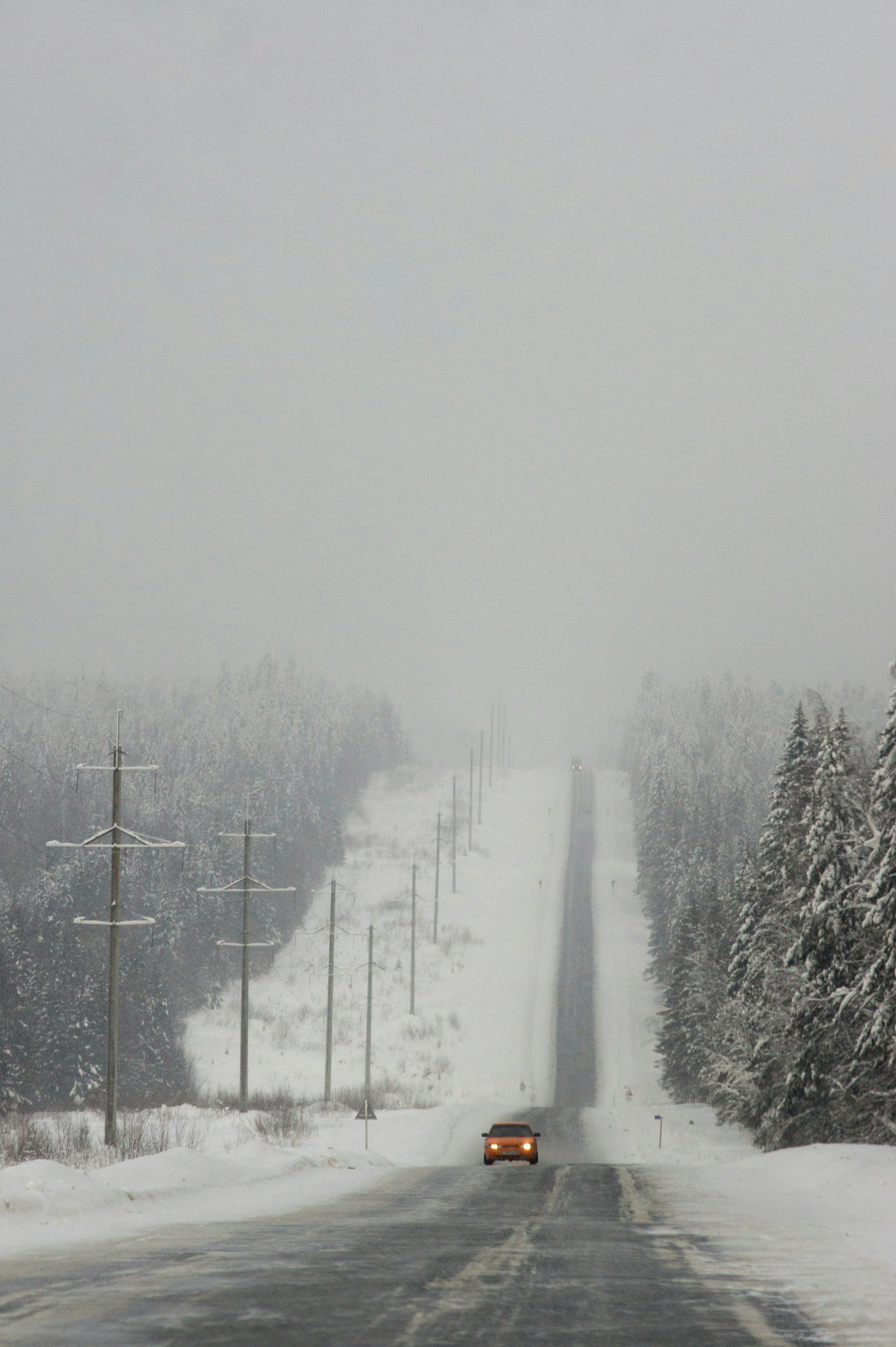
Photo: Ser Amantio di Nicolao / CC0 / Wikimedia Commons
Subaru Impreza
Hatchback · Gas · 76 versions · owner report
Ranked #9 of 12 compact cars on owner data, price and fuel economy
Every generation
Power
0–62 mph (0–100 km/h)
Combined, EPA 2027
What owners say
Our take, from owner reports
Mixed sentiment with a clear generational divide.
9 problems reported (1 very frequent, 7 recurrent, 1 isolated) · high confidence
Problems owners report
- Very frequentCVT transmission problems
Jerky, hesitant behavior in stop-and-go traffic (10-30 mph / 16-48 km/h); pronounced concerns about long-term reliability and high replacement costs; fluid leaks indicative of failure.
- RecurrentExcessive oil consumption
Primarily noted on older models (pre-2014) with EJ-series engines, requiring frequent top-ups.
- RecurrentHead gasket failures
A historical issue strongly associated with pre-2012 models equipped with the EJ25 engine, particularly in North America.
+ 6 more issuesShow fewer
- RecurrentRust
Severe corrosion, especially on rear wheel arches and undercarriage, noted as a major issue for older models (e.g., 2008) in regions using road salt.
- RecurrentWeak air conditioning
Inadequate cooling performance, particularly in temperatures above 90°F (32°C).
- RecurrentPoor fuel economy
Real-world mileage reported in the low-to-mid 20s MPG, worse than EPA estimates and segment competitors.
- RecurrentArtificial/light steering feel
Lack of feedback and overly light steering effort, particularly noted on newer models.
- RecurrentSuspension wear
Bushings, struts, and wheel bearings noted to wear out faster than on competitors like Toyota or Honda.
- IsolatedAlignment issues (Impreza RS)
Factory alignment problems leading to premature tire wear and an "unsettled" feeling at highway speeds.
The version owners recommend
Models from 2014 or newer are frequently recommended for their updated FB engines which resolved the pervasive head gasket issues of earlier EJ25 engines. Within this generation, the manual transmission is strongly preferred by a segment of owners to avoid the widely criticized CVT. The Impreza RS trim (mentioned specifically for the latest generation) is noted for its sportier suspension, brakes, and steering rack from the WRX, but comes with a noted caveat about requiring frequent alignments to prevent tire wear. For older generations (pre-2014), models with the 3.6L 6-cylinder engine (available in other Subaru models) or the post-2010 multi-layer steel head gaskets are suggested for improved reliability.
Competitors to consider
Owners compare it most often with the Mazda3, Honda Civic, Toyota Corolla, Subaru Crosstrek and Subaru Forester.
Is the Impreza right for you?
Get an answer for your year, mileage and budget.
Full owner reportHide full owner report
Overall sentiment
Mixed sentiment with a clear generational divide. Long-term owners of older models (circa 2005-2013) with naturally aspirated engines and manual transmissions frequently praise the vehicles for their practicality, spacious interiors (especially hatchbacks), and exceptional all-wheel-drive capability in winter conditions. These owners report high satisfaction with reliability when maintenance is followed, though they note poor fuel economy and high road tax as significant drawbacks. For newer generations (approximately 2014 onward), sentiment is more polarized. Positive feedback centers on improved reliability of the FB-series engines, good handling, comfortable ride, spaciousness, and standard safety technology like EyeSight. However, very frequent and severe criticism is directed at the Lineartronic CVT transmission, described as jerky and unpredictable in low-speed traffic, with widespread concerns about its long-term durability. Additional recurrent complaints for newer models include weak air conditioning, overly light and artificial steering feel, and higher-than-expected ownership costs for suspension components. The vehicle is consistently lauded for its winter prowess but criticized for its driving refinement and transmission behavior in daily use.
Positioning vs competitors
Positioned as the default choice for buyers prioritizing all-weather confidence in a compact package, often at the expense of driving refinement and fuel efficiency. Directly compared to the Mazda3, with owners noting the Mazda offers superior interior quality, better fuel economy, more engaging handling, and higher perceived reliability, but concedes that the Subaru's symmetrical AWD system is superior in snow and ice. Frequently contrasted with the Subaru Crosstrek, described as a lifted Impreza with worse fuel economy and, on older models, being underpowered. Considered a more practical and affordable alternative to the WRX for daily use. In broader comparisons, it is seen as less reliable long-term than Toyota or Honda equivalents unless maintenance is scrupulously followed, and its CVT is a point of concern compared to traditional automatics or manuals from competitors.
Recommended configurations
Manual transmission is highly recommended to avoid CVT reliability concerns and improve driving engagement. All-wheel-drive is considered a core, non-negotiable strength. For newer models (post-2017), ensuring the vehicle has Apple CarPlay/Android Auto and the EyeSight safety suite is advised. For any used purchase, a pre-purchase inspection is considered essential, with a specific focus on checking for CVT fluid leaks, rust on the undercarriage and rear wheel arches (for older models), and maintenance records. Using winter tires is universally recommended to maximize the AWD system's effectiveness. For long-term ownership, using premium fuel is mentioned, and adhering to a strict maintenance schedule: including CVT fluid changes every 60,000 miles despite "lifetime fluid" claims: is emphasized as critical.
General recommendations
Suitable for buyers in snowy or wet climates who prioritize all-weather security and practicality in a compact car. Ideal for those who value interior space and cargo utility (hatchback) and are willing to accept higher running costs (fuel, maintenance) for the AWD benefit. NOT recommended for buyers who primarily drive in stop-and-go urban traffic, due to the CVT's jerky low-speed behavior. NOT recommended for those seeking a refined, quiet, or fuel-efficient commuter car compared to segment leaders. Essential to test drive extensively in low-speed traffic to evaluate CVT behavior and on the highway to assess steering feel and noise. For used models, target 2014 or newer to avoid major engine issues, and prioritize vehicles with complete service histories. Be prepared for higher-than-average suspension maintenance costs over long-term ownership.
Remarks
The owner feedback clearly delineates two eras: the pre-2014 era dominated by concerns over EJ25 engine head gaskets and rust, and the post-2014 era dominated by CVT performance and durability concerns. The head gasket issue is consistently described as largely resolved for models after approximately 2012-2014 with the introduction of multi-layer steel gaskets and the newer FB engine family. However, this has been replaced in community discussions by deep-seated apprehension regarding the Lineartronic CVT, which is a focal point of negative sentiment for daily driving comfort and long-term cost of ownership. The vehicle's reputation for exceptional all-weather capability remains its strongest and most consistent selling point across all generations. Analysis based on owner discussions spanning models from 2005 to 2026.
Generation by generation
Owner insights per generation and US complaint/recall records (NHTSA).
Complaints and recalls by model yearWorst year: 2012. Years to avoid: 2019, 2014, 2013, 2012, 2008, 2002Source: NHTSA (US)Show table
Each year graded against the model's other years: Year Score. See all Subaru Impreza years to avoid
| Year | Complaints | Recalls | Most-reported area |
|---|---|---|---|
| 2026 | 1 | 0 | wheels |
| 2025 | 5 | 0 | power train |
| 2024 | 32 | 2 | service brakes |
| 2023 | 4 | 2 | tires |
| 2022 | 13 | 1 | power train |
| 2021 | 14 | 2 | forward collision avoidance |
| 2020 | 85 | 1 | visibility/wiper |
| 2019 | 194 | 5 | exterior lighting |
| 2018 | 151 | 5 | exterior lighting |
| 2017 | 125 | 7 | exterior lighting |
| 2016 | 75 | 1 | unknown or other |
| 2015 | 79 | 2 | electrical system |
| 2014 | 318 | 3 | air bags |
| 2013 | 492 | 4 | air bags |
Complaint counts come from owner reports filed with the US National Highway Traffic Safety Administration. Higher-selling years naturally accumulate more complaints.
Recall notices165 on record · Source: NHTSA (US)Show recalls
2024 · electrical system: instrument cluster/panelcampaign 23V551000
Subaru of America, Inc. (Subaru) is recalling certain 2024 Crosstrek and Impreza vehicles. Due to insufficient clearance, the instrument panel harness may contact the steering beam bracket, damaging the wire insulation and causing a short circuit.
2024 · power train:driveline:driveshaftcampaign 23V754000
Subaru of America, Inc. (Subaru) is recalling certain 2024 Crosstrek, Impreza, 2023-2024 Forester, and 2023 WRX vehicles. The front driveshaft assemblies' outer race may develop cracks and break.
2023 · exterior lighting:brake lights:switchcampaign 23V292000
Subaru of America, Inc. (Subaru) is recalling certain 2023 Impreza vehicles. The brake light switch may be improperly adjusted and illuminate the brake lights without application of the brake pedal. The vehicle may also allow drivers to start and shift the transmission out of the PARK position without pressing the brake pedal. As such, these vehicles fail to comply with the requirements of Federal Motor Vehicle Safety Standard numbers 108, "Lamps, Reflective Devices, and Associated Equipment" and 102, "Trans Shift Lever Seq/Starter Interlock/Trans Braking Effect."
2023 · power train:driveline:driveshaftcampaign 23V647000
Subaru of America, Inc. (Subaru) is recalling certain 2023 Outback, Legacy, Ascent, and Impreza vehicles. The center support bolts for the driveshaft may loosen, resulting in the disconnection of the front end of the driveshaft.
2022 · visibility:windshieldcampaign 22V712000
Subaru of America, Inc. (Subaru) is recalling certain 2022 Impreza and Outback vehicles. The incorrect paint clearcoat may have been applied, which can cause the windshield to be insufficiently bonded to the vehicle. As such, these vehicles fail to comply with the requirements of Federal Motor Vehicle Safety Standard number 212, "Windshield Mounting."
2021 · suspension:front:control arm:lower armcampaign 21V675000
Subaru of America, Inc. (Subaru) is recalling certain 2021 Impreza vehicles. The left-front lower control arm weld may fail, allowing the control arm to separate from the crossmember.
2021 · power train:shift linkage/cable/rodcampaign 21V024000
Subaru of America, Inc. (Subaru) is recalling certain 2021 Outback and Impreza vehicles. The continuously variable transmission (CVT) select lever cable nut may not have been tightened properly, allowing the nut to loosen.
2020 · fuel system, gasoline:delivery:fuel pumpcampaign 21V587000
Subaru of America, Inc. (Subaru) is recalling certain 2019-2020 Ascent, 2018 Forester, 2018-2020 Impreza, Legacy, Outback, 2018-2019 BRZ, WRX, and Toyota 86 vehicles. The low-pressure fuel pump inside the fuel tank may fail.
2019 · fuel system, gasoline:delivery:fuel pumpcampaign 21V587000
Subaru of America, Inc. (Subaru) is recalling certain 2019-2020 Ascent, 2018 Forester, 2018-2020 Impreza, Legacy, Outback, 2018-2019 BRZ, WRX, and Toyota 86 vehicles. The low-pressure fuel pump inside the fuel tank may fail.
2019 · electrical system:softwarecampaign 21V264000
Subaru of America, Inc. (Subaru) is recalling certain 2017-2019 Subaru Impreza and 2018-2019 Crosstrek vehicles. The Engine Control Module (ECM) may continue to power the ignition coil after the engine is shut off, causing a short circuit.
2019 · fuel system, gasoline:delivery:fuel pumpcampaign 20V218000
Subaru of America, Inc. (Subaru) is recalling certain 2019 Impreza, Outback, Legacy, and Ascent vehicles. The low pressure fuel pump may become inoperative.
2019 · electrical system:softwarecampaign 19V743000
Subaru of America, Inc. (Subaru) is recalling certain 2017-2019 Impreza and 2018-2019 Crosstrek vehicles. The Engine Control Module (ECM) may continue to power the ignition coil after the engine is shut off, which could result in a short circuit and blown fuse.
2019 · exterior lighting:headlightscampaign 22V624000
Subaru of America, Inc. (Subaru) is recalling certain 2017-2019 Impreza vehicles. The left and right side reflex reflector and left side low beam reflector may inadequately reflect light. As such, these vehicles fail to comply with the requirements of Federal Motor Vehicle Safety Standard number 108, "Lamps, Reflective Devices, and Associated Equipment."
2018 · fuel system, gasoline:delivery:fuel pumpcampaign 21V587000
Subaru of America, Inc. (Subaru) is recalling certain 2019-2020 Ascent, 2018 Forester, 2018-2020 Impreza, Legacy, Outback, 2018-2019 BRZ, WRX, and Toyota 86 vehicles. The low-pressure fuel pump inside the fuel tank may fail.
2018 · electrical system:softwarecampaign 21V264000
Subaru of America, Inc. (Subaru) is recalling certain 2017-2019 Subaru Impreza and 2018-2019 Crosstrek vehicles. The Engine Control Module (ECM) may continue to power the ignition coil after the engine is shut off, causing a short circuit.
150 older recalls not shown. Check nhtsa.gov with your VIN for the full history.
Specifications
RS 2.5
2.5L 4-cylinder · 182 hp · AWD · automatic (CVT)
Built 2023–2026