
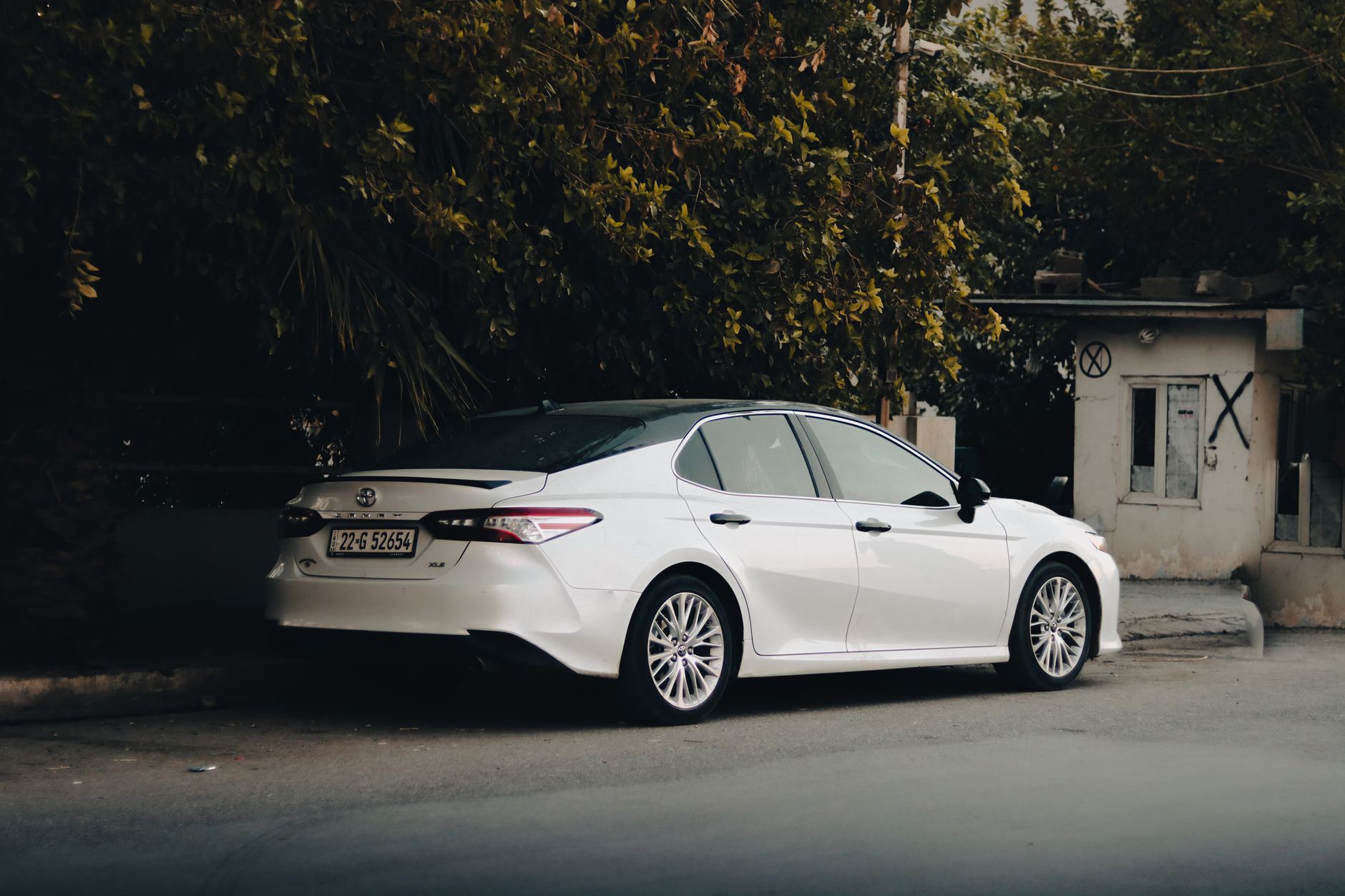
Photo: S5A-0043 / CC BY 4.0 / Wikimedia Commons

Toyota Camry
Sedan · Gas · 105 versions · owner report
Ranked #1 of 6 midsize cars on owner data, price and fuel economy
Every generation
Power
Combined, EPA 2026
What owners say
Our take, from owner reports
Overwhelmingly positive sentiment centered on exceptional long-term reliability and low cost of ownership.
2 problems reported (1 recurrent, 1 isolated) · high confidence
Problems owners report
- RecurrentHigh-mileage wear items (e.g., EVAP system codes, ABS sensors, TPMS sensors)
Expected issues on very high-mileage vehicles (150,000+ miles).
- IsolatedOil consumption in specific model years (notably the 2007 model year)
Isolated but noted as a known issue for certain generations.
The version owners recommend
Camry Hybrid. The hybrid powertrain is strongly recommended for its combination of superior fuel economy, smoother and quieter operation, and the renowned reliability of Toyota's hybrid system. Specific model years like the 2019-2024 hybrid are called out as "hidden gems" and highly recommended. For non-hybrid models, the V6 powertrain (e.g., the 2GR engine) is praised for its power and reliability.
Competitors to consider
Owners compare it most often with the Honda Accord, Honda Civic, Mazda3, Subaru Legacy and Lexus IS.
Is the Camry right for you?
Get an answer for your year, mileage and budget.
Full owner reportHide full owner report
Overall sentiment
Overwhelmingly positive sentiment centered on exceptional long-term reliability and low cost of ownership. The Camry is consistently cited as a benchmark for dependable, low-maintenance transportation capable of exceeding 200,000 miles with basic care. Owners across multiple generations report minimal major repairs, with many vehicles lasting 15-20 years or more. The hybrid powertrain is specifically highlighted for its bulletproof eCVT reliability, excellent real-world fuel economy (reports of up to 500 miles per tank), and quiet, refined operation. While some feedback notes the driving experience can be less engaging than competitors, the consensus is that the Camry's core strengths in durability, practicality, and resale value are unmatched in the midsize sedan segment.
Positioning vs competitors
Positioned as the default choice for maximum reliability and hassle-free ownership. Frequently compared to the Honda Accord, with the Camry perceived as having a slight edge in long-term dependability, though the Accord is sometimes noted for superior driving dynamics. The hybrid Camry is directly compared to the hybrid Civic, with owners noting the Camry offers a quieter, larger, and more refined package for a similar price. Against sportier alternatives like the Mazda3, the Camry is acknowledged as less engaging to drive but significantly more reliable and practical for family use. It is also positioned as a more affordable and reliable alternative to entry-level luxury sedans like the Lexus IS, sharing mechanical components but at a lower cost.
Recommended configurations
Hybrid powertrain is the top recommendation for its efficiency and refinement. For long-term ownership, a pre-purchase inspection by a mechanic specializing in Toyotas is considered essential, even on Certified Pre-Owned (CPO) vehicles. Owners suggest focusing on maintenance history over mileage, as well-maintained examples can reliably exceed 200,000 miles.
General recommendations
Ideal for buyers prioritizing long-term reliability, low maintenance costs, and high resale value over driving excitement. Highly recommended for high-mileage commuters, families needing a practical and durable sedan, and first-time buyers seeking a dependable vehicle. The hybrid is particularly recommended for taxi or fleet use due to its durability and fuel efficiency. Not recommended for driving enthusiasts seeking engaging handling or sharp styling. When purchasing used, prioritize service records and a thorough mechanical inspection over a low price, as high-mileage examples with good history are considered better values than lower-mileage cars with unknown pasts.
Remarks
Owner feedback spans numerous generations, from the 1990s through the 2026 model year, indicating a consistently strong reputation for reliability across decades. The hybrid system, particularly the eCVT, is singled out as a paragon of durability compared to conventional automatic or other manufacturer's CVT transmissions. Discussions indicate the Camry's reputation for reliability is so entrenched it influences the entire used car market, with older, high-mileage examples often recommended over newer vehicles from other brands. The 2025-2026 models feature a redesigned engine and updated hybrid system (5th generation), but long-term reliability data for these new components is not yet available from owner discussions. Analysis based on approximately 40 substantive owner discussions and comparisons.
Generation by generation
Owner insights per generation and US complaint/recall records (NHTSA).
Complaints and recalls by model yearWorst year: 2009. Years to avoid: 2011, 2010, 2009, 2008, 2007, 2002Source: NHTSA (US)Show table
Each year graded against the model's other years: Year Score. See all Toyota Camry years to avoid
| Year | Complaints | Recalls | Most-reported area |
|---|---|---|---|
| 2025 | 162 | 6 | unknown or other |
| 2024 | 50 | 1 | structure |
| 2023 | 65 | 2 | unknown or other |
| 2022 | 62 | 1 | air bags |
| 2021 | 165 | 1 | air bags |
| 2020 | 283 | 3 | electrical system |
| 2019 | 406 | 7 | power train |
| 2018 | 769 | 8 | power train |
| 2017 | 290 | 3 | unknown or other |
| 2016 | 359 | 3 | unknown or other |
| 2015 | 546 | 1 | steering |
| 2014 | 480 | 3 | power train |
| 2013 | 596 | 2 | power train |
| 2012 | 1,276 | 2 | power train |
Complaint counts come from owner reports filed with the US National Highway Traffic Safety Administration. Higher-selling years naturally accumulate more complaints.
Recall notices127 on record · Source: NHTSA (US)Show recalls
2025 · equipment:other:labelscampaign 24V548000
Gulf States Toyota, Inc. (GST) is recalling certain Toyota 2023 GR Supra, 2024 4 Runner, Corolla, Grand Highlander, Grand Highlander Hybrid, Land Cruiser Hybrid, Tacoma, Tacoma Hybrid, 2023-2024 BZ4X, Corolla Cross Hybrid, GR Corolla, GR86, Highlander, Highlander Hybrid, Prius, Prius Prime, Sequoia Hybrid, Tundra, Tundra Hybrid, Venza Hybrid, 2023-2025 Crown, and 2025 Camry Hybrid vehicles equipped with GST accessories. The load carrying capacity modification label may display inaccurate added weight values. As such, these vehicles fail to comply with the requirements of Federal Motor Vehicle Safety Standard number 110, "Tire Selection and Rims."
2025 · seat belts:rear/other:webbingcampaign 25V059000
Toyota Motor Engineering & Manufacturing (Toyota) is recalling certain 2025 Toyota Camry Hybrid, Lexus NX250, NX350, NX350 Hybrid, 2024-2025 Lexus RX350, RX350 Hybrid, and RX500 Hybrid vehicles. The second-row center seat belt webbing may be damaged. As such, these vehicles fail to comply with the requirements of Federal Motor Vehicle Safety Standard (FMVSS) number 209, "Seat Belt Assemblies."
2025 · back over prevention:display functioncampaign 25V744000
Toyota Motor Engineering & Manufacturing (Toyota) is recalling certain 2022-2026 Toyota, Lexus, and Subaru Solterra vehicles equipped with a Panoramic View Monitor (PVM) system. Please see the recall report for a complete list of models. A software error may cause the rearview camera to freeze or display a blank screen when the vehicle is in reverse. As such, these vehicles fail to comply with the requirements of Federal Motor Vehicle Safety Standard (FMVSS) number 111, "Rear Visibility."
2025 · hybrid propulsion system: invertercampaign 25V869000
Toyota Motor Engineering & Manufacturing (Toyota) is recalling certain 2025-2026 Camry Hybrid and 2026 Corolla Cross Hybrid vehicles. A bolt inside the inverter may not have been tightened properly, causing incomplete contact at the inverter terminal.
2025 · exterior lighting:hazard flashing warning lights:switchcampaign 26V511000
Toyota Motor Engineering & Manufacturing (Toyota) is recalling certain 2025-2026 Camry Hybrid vehicles. The instrument cluster display may fail during vehicle startup, deactivating the hazard lights, turn signals, seat belt warning system, and smart key reminder. As such, these vehicles fail to comply with the requirements of Federal Motor Vehicle Safety Standard (FMVSS) numbers 101, "Control and Displays," 108, "Lamps, Reflective Devices and Associated Equipment," 114, "Theft Protection and Rollaway Prevention," and 208, "Occupant Crash Protection."
2025 · electrical system: instrument cluster/panelcampaign 25V595000
Toyota Motor Engineering & Manufacturing (Toyota) is recalling certain 2023-2024 Toyota Venza, 2023-2025 RAV4 Prime, RAV4, Highlander, GR Corolla, Crown, 2024-2025 Lexus TX, LS, Toyota Tacoma, Grand Highlander, and 2025 Lexus RX, Toyota Crown Signia, Camry, RAV 4 Plug-in Hybrid (PHEV), and 4 Runner vehicles. Due to an error in the instrument panel software at vehicle startup, the instrument panel may fail to display vehicle speed, brake system, and tire pressure warning lights.
2024 · seatscampaign 24V128000
Toyota Motor Engineering & Manufacturing (Toyota) is recalling certain 2023-2024 Camry and Camry Hybrid vehicles. The second-row center and right-side seats may have insufficiently welded head restraint brackets. As such, these vehicles fail to comply with the requirements of Federal Motor Vehicle Safety Standard number 202, "Head Restraints."
2023 · wheels:lugs/nuts/bolts/studscampaign 23V432000
Toyota Motor Engineering & Manufacturing (Toyota) is recalling certain 2023 Camry and Camry Hybrid vehicles. The lug nuts that attach the wheels to the vehicle may be loose, which can result in wheel detachment.
2023 · seatscampaign 24V128000
Toyota Motor Engineering & Manufacturing (Toyota) is recalling certain 2023-2024 Camry and Camry Hybrid vehicles. The second-row center and right-side seats may have insufficiently welded head restraint brackets. As such, these vehicles fail to comply with the requirements of Federal Motor Vehicle Safety Standard number 202, "Head Restraints."
2022 · air bags:sensor:occupant classificationcampaign 23V865000
Toyota Motor Engineering & Manufacturing (Toyota) is recalling certain 2020-2021 Avalon, Avalon Hybrid, Corolla, Highlander, Highlander Hybrid, RAV4, RAV4 Hybrid, Lexus ES350, Lexus RX350, Lexus RX450H, 2021 Sienna Hybrid, Lexus ES250, 2020-2022 Camry, Camry Hybrid, and ES300H vehicles. A short circuit may develop in the Occupant Classification System (OCS) sensor, preventing the front passenger air bag from deploying.
2021 · air bags:sensor:occupant classificationcampaign 23V865000
Toyota Motor Engineering & Manufacturing (Toyota) is recalling certain 2020-2021 Avalon, Avalon Hybrid, Corolla, Highlander, Highlander Hybrid, RAV4, RAV4 Hybrid, Lexus ES350, Lexus RX350, Lexus RX450H, 2021 Sienna Hybrid, Lexus ES250, 2020-2022 Camry, Camry Hybrid, and ES300H vehicles. A short circuit may develop in the Occupant Classification System (OCS) sensor, preventing the front passenger air bag from deploying.
2020 · fuel system, gasoline:delivery:fuel pumpcampaign 20V682000
Toyota Motor Engineering & Manufacturing (Toyota) is recalling certain 2018-2019 4Runner, 2019-2020 Avalon, 2019 Corolla Hatchback, 2017-2019 Highlander, 2018-2020 Camry, 2020 Corolla, 2018-2019 Land Cruiser, 2017-2020 Tacoma, 2019-2020 RAV4, 2019-2020 Sequoia, 2017-2020 Sienna, 2019-2020 Tundra, 2018-2020 Lexus ES350, 2017 Lexus GS200t, 2017-2019 Lexus GS350, 2019 Lexus GS300, 2018-2020 Lexus LC500h, 2019-2020 Lexus LS500, 2018-2019 Lexus GX460, 2017 Lexus IS200t, 2019 Lexus IS300, 2019 Lexus IS350, 2018-2020 Lexus LC500, 2018 Lexus LS500, 2019 Lexus LS500h, 2018-2019 Lexus LX570, 2017 Lexus RC200t, 2019 Lexus RC300, RC350, 2017 and 2019-2020 Lexus RX350, 2018-2020 RX350L, 2019 Lexus UX200, 2018-2019 Lexus NX300 vehicles. The low-pressure fuel pump inside the fuel tank may fail.
2020 · engine and engine coolingcampaign 20V064000
Toyota Motor Engineering & Manufacturing (Toyota) is recalling certain 2020 Toyota Avalon Hybrid, Camry, Camry Hybrid and Lexus ES300h and 2019-2020 RAV4 and RAV4 Hybrid vehicles equipped with 2.5L 4-Cylinder engines. Porosity in the engine castings may result in cracks than can allow coolant to leak internally and/or externally.
2020 · air bags:sensor:occupant classificationcampaign 23V865000
Toyota Motor Engineering & Manufacturing (Toyota) is recalling certain 2020-2021 Avalon, Avalon Hybrid, Corolla, Highlander, Highlander Hybrid, RAV4, RAV4 Hybrid, Lexus ES350, Lexus RX350, Lexus RX450H, 2021 Sienna Hybrid, Lexus ES250, 2020-2022 Camry, Camry Hybrid, and ES300H vehicles. A short circuit may develop in the Occupant Classification System (OCS) sensor, preventing the front passenger air bag from deploying.
2019 · fuel system, gasoline:delivery:fuel pumpcampaign 20V682000
Toyota Motor Engineering & Manufacturing (Toyota) is recalling certain 2018-2019 4Runner, 2019-2020 Avalon, 2019 Corolla Hatchback, 2017-2019 Highlander, 2018-2020 Camry, 2020 Corolla, 2018-2019 Land Cruiser, 2017-2020 Tacoma, 2019-2020 RAV4, 2019-2020 Sequoia, 2017-2020 Sienna, 2019-2020 Tundra, 2018-2020 Lexus ES350, 2017 Lexus GS200t, 2017-2019 Lexus GS350, 2019 Lexus GS300, 2018-2020 Lexus LC500h, 2019-2020 Lexus LS500, 2018-2019 Lexus GX460, 2017 Lexus IS200t, 2019 Lexus IS300, 2019 Lexus IS350, 2018-2020 Lexus LC500, 2018 Lexus LS500, 2019 Lexus LS500h, 2018-2019 Lexus LX570, 2017 Lexus RC200t, 2019 Lexus RC300, RC350, 2017 and 2019-2020 Lexus RX350, 2018-2020 RX350L, 2019 Lexus UX200, 2018-2019 Lexus NX300 vehicles. The low-pressure fuel pump inside the fuel tank may fail.
112 older recalls not shown. Check nhtsa.gov with your VIN for the full history.
Specifications
Enthusiast code: XV80
2.5 Hybrid
Hybrid · 230 hp · FWD · automatic (CVT)
Built 2023–2026
Compare with
Real questions about this car

Used cars · High mileage
Is a Toyota Prius with 200,000 km worth buying?
Sedan · Used cars
Hyundai Sonata vs Toyota Camry used under $18,000 CAD
Used cars · High mileage
Is a 2019 Honda Civic with 180,000 km worth buying?
Used cars · Budget
Toyota Camry vs Honda Accord used under $20k CAD
Budget · Used cars
Best reliable used car under $15,000 CAD
Used cars · High mileage