
Toyota RAV4
SUV · Hybrid · 49 versions · owner report
Ranked #4 of 26 compact SUVs on owner data, price and fuel economy
Every generation
The short answer
Overwhelmingly positive sentiment centered on exceptional long-term reliability, low maintenance costs, and high resale value. The vehicle is consistently praised as a practical, worry-free choice for owners prioritizing longevity and cost of ownership over driving engagement or premium interior refinement.
Power
Combined, EPA 2026
What owners say
Our take, from owner reports
Overwhelmingly positive sentiment centered on exceptional long-term reliability, low maintenance costs, and high resale value.
6 problems reported (1 very frequent, 3 recurrent, 2 isolated) · high confidence
Problems owners report
- Very frequentHigh-voltage cable corrosion ("Cablegate") on 2019-2021 Hybrid models
Major corrosion issue leading to failure, subject to warranty extension programs and a class-action lawsuit in Canada.
- Recurrent8-speed automatic transmission concerns
Described as problematic, with unique shifting behavior in lower gears; noted as a reason to avoid certain gas models (2019+ RAV4, 2017+ Highlander). Concerns about it being a "sealed" unit with no dipstick or scheduled service.
- RecurrentInterior noise
Cabin described as noisier than some competitors (e.g., Volkswagen Tiguan, Subaru Forester) at highway speeds.
+ 3 more issuesShow fewer
- RecurrentInterior material quality
Perceived as utilitarian, cheap, or lacking soft-touch surfaces compared to segment rivals like Mazda or Honda.
- IsolatedRoof leak issues (2019-2021 models)
Caused by faulty roof rail clip washers; reported as potentially resolved in 2022+ models.
- IsolatedInfotainment system lag/connectivity
Older Entune system noted for poor compatibility with Samsung devices; general comments about system lag.
The version owners recommend
The hybrid powertrain is strongly recommended over the gas-only version for its combination of fuel efficiency, smoother power delivery, and highly reliable eCVT. For specific model years, the 2016-2018 RAV4 (previous generation) and the 2019-2025 RAV4 Hybrid (current/fifth generation) are frequently cited as top choices for reliability. There is a noted caution against the first model year (2019) of the new hybrid generation due to early teething issues, with a recommendation to opt for 2021 or later models within that generation. The upcoming 2026 model is not seen as a radical redesign, suggesting carryover reliability.
Competitors to consider
Owners compare it most often with the Honda CR-V, Mazda CX-5, Mazda CX-50, Subaru Forester and Volkswagen Tiguan.
Is the RAV4 right for you?
Get an answer for your year, mileage and budget.
Full owner reportHide full owner report
Overall sentiment
Overwhelmingly positive sentiment centered on exceptional long-term reliability, low maintenance costs, and high resale value. The vehicle is consistently praised as a practical, worry-free choice for owners prioritizing longevity and cost of ownership over driving engagement or premium interior refinement. The hybrid powertrain, in particular, receives very frequent commendation for its fuel efficiency, smooth operation, and the bulletproof reliability of its eCVT transmission. Criticisms are present but less dominant, focusing on a utilitarian interior perceived as cheap compared to some competitors, a noisier cabin at highway speeds, and specific concerns about the 8-speed automatic transmission in non-hybrid models and a major corrosion issue affecting early hybrid models (2019-2021). The consensus positions the RAV4 as the default, rational choice in the compact SUV segment for buyers seeking maximum dependability.
Positioning vs competitors
Positioned as the benchmark for reliability and resale value against all competitors. Frequently compared directly to the Honda CR-V, with the CR-V noted as having superior driving dynamics and a nicer interior, but the RAV4 favored for its perceived stronger long-term reliability and hybrid system reputation. The Mazda CX-5 and CX-50 are acknowledged as more engaging to drive with better interior quality, but the RAV4 wins on reliability scores, maintenance cost projections, and cargo utility (e.g., spare tire retention). The Subaru Forester is recognized for superior visibility and standard AWD but historically trailed the RAV4 in reliability ratings until very recently. Premium competitors like the Lexus NX are seen as quieter, more refined versions but with significantly higher costs for insurance and fuel (premium recommended). The RAV4 hybrid is consistently recommended over its gas-only counterpart for better performance and efficiency.
Recommended configurations
Hybrid powertrain is the top recommendation. All-wheel drive (AWD) is suggested for improved traction and resale. For long-term ownership, purchasing an extended warranty is debated but often considered unnecessary due to the vehicle's reliability, though it was used to mitigate concerns on a first-model-year (2019) hybrid. Physical climate controls are preferred over touchscreen interfaces for ease of use. Owners recommend verifying the vehicle's production location, with some expressing a preference for Japan-built models. For older models (e.g., 2012 V6), the more powerful engine is noted as a desirable option.
General recommendations
Highly recommended for buyers whose top priority is long-term reliability, low maintenance costs, and high resale value. Ideal for families, commuters, and those planning to keep a vehicle for 10+ years or 200,000+ miles. Strongly consider the hybrid model for its efficiency and proven eCVT reliability. Avoid purchasing at significant dealer markups above MSRP; patience and negotiation are advised. For the current generation (2019-2025), a pre-purchase inspection should specifically check for the "cablegate" corrosion issue on early hybrid models. Test drive to evaluate cabin noise levels and interior material quality, as these are common points of criticism. For maximum reliability of a new generation, consider waiting for the second or third model year, though the 2026 update is considered an evolution rather than a revolution.
Remarks
The "Cablegate" issue for 2019-2021 RAV4 Hybrids is a significant event documented in owner discussions, with a detailed account of Toyota's initial response and subsequent warranty extensions covering over a million vehicles. The reliability of Toyota's hybrid eCVT is a cornerstone of positive sentiment, with specific endorsements from master technicians and reports of examples exceeding 300,000 miles without issue. There is a clear generational divide in feedback: praise for the bulletproof reputation of older models (e.g., 2010-2012 V6, 2016-2018) versus more nuanced feedback on the current generation, which includes high praise for the hybrid system alongside specific criticisms (noise, interior, 8-speed auto). The upcoming 2026 model is not viewed as a ground-up redesign, with owners noting carryover powertrains and platforms, which may mitigate typical first-model-year concerns. Analysis based on approximately 40 substantive owner discussions and comparisons.
Generation by generation
Owner insights per generation and US complaint/recall records (NHTSA).
Complaints and recalls by model yearWorst year: 2007. Years to avoid: 2021, 2019, 2007Source: NHTSA (US)Show table
Each year graded against the model's other years: Year Score. See all Toyota RAV4 years to avoid
| Year | Complaints | Recalls | Most-reported area |
|---|---|---|---|
| 2026 | 32 | 1 | unknown or other |
| 2025 | 102 | 4 | unknown or other |
| 2024 | 204 | 4 | unknown or other |
| 2023 | 226 | 3 | electrical system |
| 2022 | 171 | 3 | electrical system |
| 2021 | 507 | 5 | air bags |
| 2020 | 647 | 6 | engine |
| 2019 | 900 | 8 | fuel/propulsion system |
| 2018 | 346 | 3 | electrical system |
| 2017 | 609 | 3 | electrical system |
| 2016 | 256 | 3 | electrical system |
| 2015 | 304 | 4 | electrical system |
| 2014 | 385 | 7 | electrical system |
| 2013 | 261 | 5 | electrical system |
Complaint counts come from owner reports filed with the US National Highway Traffic Safety Administration. Higher-selling years naturally accumulate more complaints.
Recall notices164 on record · Source: NHTSA (US)Show recalls
2026 · equipment:other:labelscampaign 26V571000
Toyota Motor Engineering & Manufacturing (Toyota) is recalling certain 2024 Toyota Tacoma Hybrid, 2025 Tundra Hybrid, Tundra, 2026 RAV4 Hybrid, 4Runner i-Force Max Hybrid, and 4Runner vehicles. The load carrying capacity modification label may display inaccurate added weight values. As such, these vehicles fail to comply with the requirements of Federal Motor Vehicle Safety Standard number 110, "Tire Selection and Rims."
2025 · electrical system: instrument cluster/panelcampaign 25V595000
Toyota Motor Engineering & Manufacturing (Toyota) is recalling certain 2023-2024 Toyota Venza, 2023-2025 RAV4 Prime, RAV4, Highlander, GR Corolla, Crown, 2024-2025 Lexus TX, LS, Toyota Tacoma, Grand Highlander, and 2025 Lexus RX, Toyota Crown Signia, Camry, RAV 4 Plug-in Hybrid (PHEV), and 4 Runner vehicles. Due to an error in the instrument panel software at vehicle startup, the instrument panel may fail to display vehicle speed, brake system, and tire pressure warning lights.
2025 · back over prevention:display functioncampaign 25V744000
Toyota Motor Engineering & Manufacturing (Toyota) is recalling certain 2022-2026 Toyota, Lexus, and Subaru Solterra vehicles equipped with a Panoramic View Monitor (PVM) system. Please see the recall report for a complete list of models. A software error may cause the rearview camera to freeze or display a blank screen when the vehicle is in reverse. As such, these vehicles fail to comply with the requirements of Federal Motor Vehicle Safety Standard (FMVSS) number 111, "Rear Visibility."
2025 · seats:critical fastenerscampaign 26V256000
Toyota Motor Engineering & Manufacturing (Toyota) is recalling certain 2025 RAV 4 vehicles. The front seat brackets for the seat rails may be welded improperly.
2025 · equipment:other:labelscampaign 26V179000
Toyota Motor Engineering & Manufacturing (Toyota) is recalling certain 2024-2025 Toyota Tundra, Tacoma Hybrid, Tacoma, RAV4 Hybrid, Land Cruiser Hybrid, Lexus GX550, 2024-2026 Tundra Hybrid, 2025 Sequoia Hybrid, Crown Signia, Grand Highlander, Lexus TX500 Hybrid, Lexus NX350 Hybrid, 2025-2026 Grand Highlander Hybrid, and Lexus TX350 vehicles. The load carrying capacity modification label may display inaccurate added weight values. As such, these vehicles fail to comply with the requirements of Federal Motor Vehicle Safety Standard number 110, "Tire Selection and Rims."
2024 · service brakes, hydraulic:foundation components:disc:calipercampaign 24V911000
Toyota Motor Engineering & Manufacturing (Toyota) is recalling certain 2024 RAV4 and 2025 Lexus NX vehicles. Some of the bolts that secure the front brake caliper and the wheel hub bearing may be loose, which can result in a damaged caliper brake hose or possible wheel detachment.
2024 · electrical system: instrument cluster/panelcampaign 25V595000
Toyota Motor Engineering & Manufacturing (Toyota) is recalling certain 2023-2024 Toyota Venza, 2023-2025 RAV4 Prime, RAV4, Highlander, GR Corolla, Crown, 2024-2025 Lexus TX, LS, Toyota Tacoma, Grand Highlander, and 2025 Lexus RX, Toyota Crown Signia, Camry, RAV 4 Plug-in Hybrid (PHEV), and 4 Runner vehicles. Due to an error in the instrument panel software at vehicle startup, the instrument panel may fail to display vehicle speed, brake system, and tire pressure warning lights.
2024 · back over prevention:display functioncampaign 25V744000
Toyota Motor Engineering & Manufacturing (Toyota) is recalling certain 2022-2026 Toyota, Lexus, and Subaru Solterra vehicles equipped with a Panoramic View Monitor (PVM) system. Please see the recall report for a complete list of models. A software error may cause the rearview camera to freeze or display a blank screen when the vehicle is in reverse. As such, these vehicles fail to comply with the requirements of Federal Motor Vehicle Safety Standard (FMVSS) number 111, "Rear Visibility."
2024 · equipment:other:labelscampaign 26V179000
Toyota Motor Engineering & Manufacturing (Toyota) is recalling certain 2024-2025 Toyota Tundra, Tacoma Hybrid, Tacoma, RAV4 Hybrid, Land Cruiser Hybrid, Lexus GX550, 2024-2026 Tundra Hybrid, 2025 Sequoia Hybrid, Crown Signia, Grand Highlander, Lexus TX500 Hybrid, Lexus NX350 Hybrid, 2025-2026 Grand Highlander Hybrid, and Lexus TX350 vehicles. The load carrying capacity modification label may display inaccurate added weight values. As such, these vehicles fail to comply with the requirements of Federal Motor Vehicle Safety Standard number 110, "Tire Selection and Rims."
2023 · tires:valvecampaign 23V485000
Gulf States Toyota, Inc. (GST) is recalling certain 2023 Toyota RAV4 vehicles equipped with 17" black alloy accessory wheels. During installation of the alloy wheels, the tire valve stem may have been improperly installed or damaged. In addition, the load carrying capacity label may state the incorrect weight. As such, these vehicles fail to comply with the requirements of Federal Motor Vehicle Safety Standard number 110, "Tire Selection and Rims."
2023 · electrical system: instrument cluster/panelcampaign 25V595000
Toyota Motor Engineering & Manufacturing (Toyota) is recalling certain 2023-2024 Toyota Venza, 2023-2025 RAV4 Prime, RAV4, Highlander, GR Corolla, Crown, 2024-2025 Lexus TX, LS, Toyota Tacoma, Grand Highlander, and 2025 Lexus RX, Toyota Crown Signia, Camry, RAV 4 Plug-in Hybrid (PHEV), and 4 Runner vehicles. Due to an error in the instrument panel software at vehicle startup, the instrument panel may fail to display vehicle speed, brake system, and tire pressure warning lights.
2023 · back over prevention:display functioncampaign 25V744000
Toyota Motor Engineering & Manufacturing (Toyota) is recalling certain 2022-2026 Toyota, Lexus, and Subaru Solterra vehicles equipped with a Panoramic View Monitor (PVM) system. Please see the recall report for a complete list of models. A software error may cause the rearview camera to freeze or display a blank screen when the vehicle is in reverse. As such, these vehicles fail to comply with the requirements of Federal Motor Vehicle Safety Standard (FMVSS) number 111, "Rear Visibility."
2022 · air bags:sensor:occupant classification:front passengercampaign 22V519000
Toyota Motor Engineering & Manufacturing (Toyota) is recalling certain 2022 Rav4, Rav4 Hybrid, and Rav4 Prime vehicles. The front passenger seat may have been assembled with interference between internal parts that may cause the Occupant Classification System (OCS) sensor to incorrectly detect the occupant. As such, these vehicles fail to comply with the requirements of Federal Motor Vehicle Safety Standard number 208, "Occupant Crash Protection."
2022 · electronic stability control (esc):control module:softwarecampaign 22V239000
Toyota Engineering & Manufacturing (Toyota) is recalling certain 2022 Lexus LX 600, Lexus NX 350h, Lexus NX 450h+, Toytoa RAV4 Hybrid, 2021-2022 Lexus LS 500h, Toyota Mirai, RAV4 PRIME, Sienna, Venza, and 2020-2022 Toyota Highlander Hybrid vehicles. The Skid Control ECU software may not turn on the Vehicle Stability Control (VSC) system when the vehicle is restarted after the driver has disabled the VSC system. As such, these vehicles fail to comply with the requirements of Federal Motor Vehicle Safety Standard number 126, "Electronic Stability Control Systems."
2022 · electrical system:propulsion system:dc/dc convertercampaign 23V478000
Toyota Motor Engineering & Manufacturing (Toyota) is recalling certain 2021-2022 RAV4 Prime and 2022 Lexus NX450h+ plug-in hybrid electric (PHEV) vehicles. The electric current rectifying module contained within the DC-DC converter may have been damaged during production, which can result in an electrical short-circuit.
149 older recalls not shown. Check nhtsa.gov with your VIN for the full history.
Specifications
GR Sport 2.5 Plug-in Hybrid
Plug-in hybrid · 324 hp · AWD · automatic (CVT)
Built 2025–2026
Compare with
Real questions about this car

SUV · Used cars
Honda CR-V vs Toyota RAV4 used under $25,000 CAD

SUV · AWD
Subaru Forester vs Honda CR-V for a young family
Used cars · Reliability
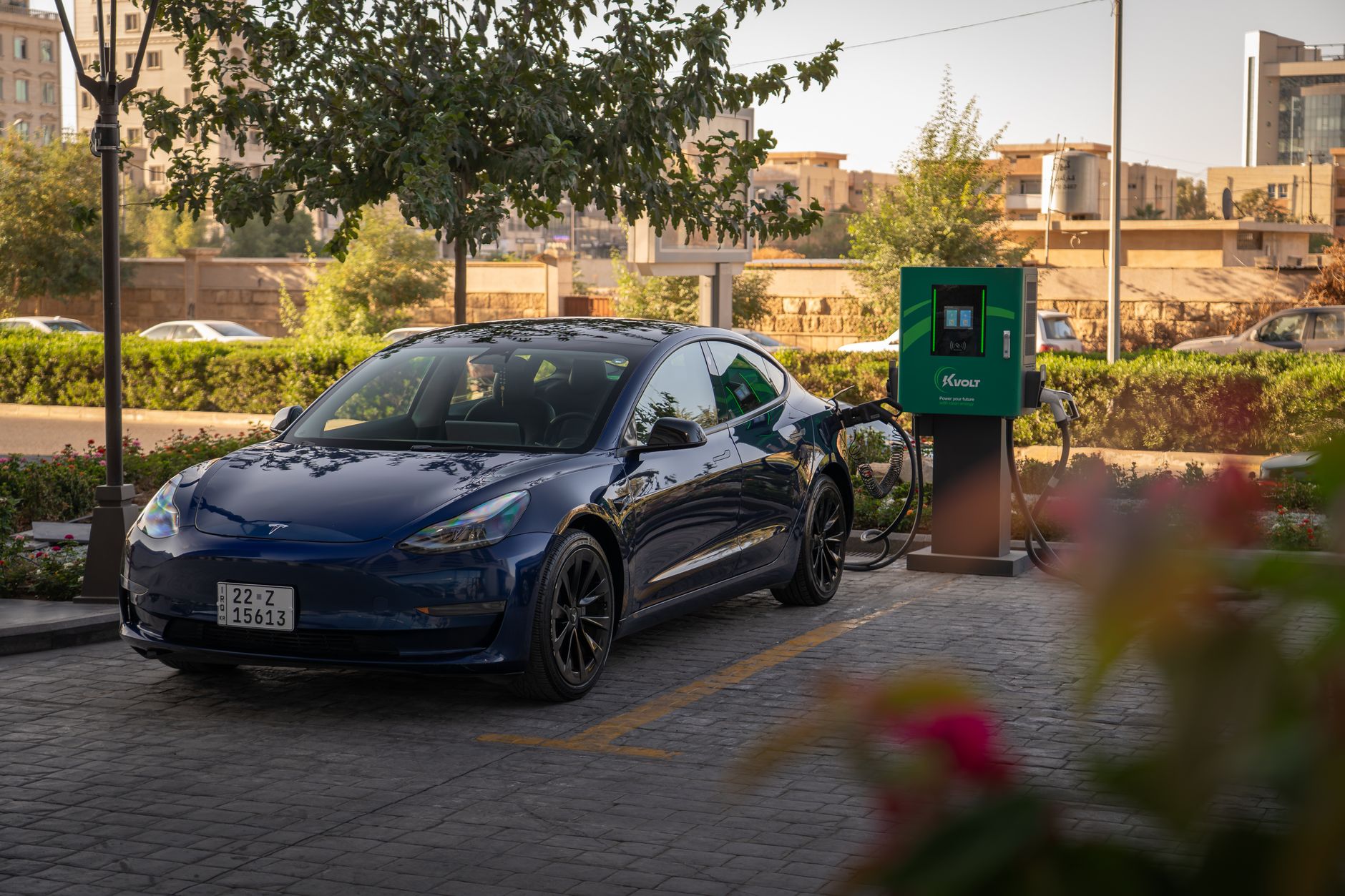
Is a used Tesla Model 3 reliable or too risky?
SUV · Used cars
Chevrolet Equinox used. is it reliable or should I avoid it?

SUV · Used cars
Is a Mazda CX-5 with 150,000 km worth buying used?
Used cars · AWD
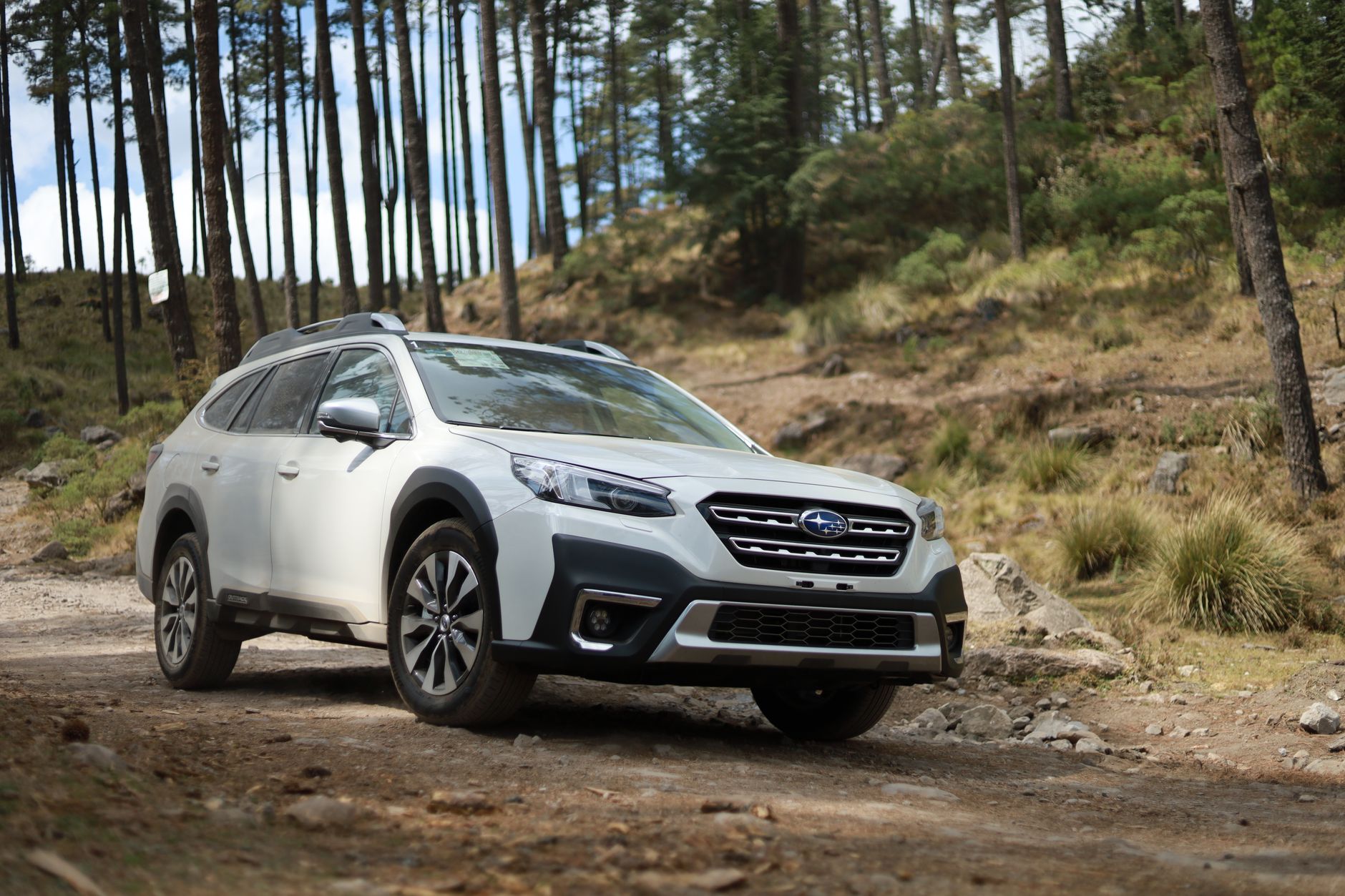
Is the 2018 Subaru Outback reliable used?
- Is a Toyota RAV4 with 150,000 km worth buying?
- Honda CR-V vs Mazda CX-5 under $25k CAD
- Used Lexus RX vs Toyota RAV4. is the luxury worth it?
- Mazda CX-5 vs Toyota RAV4 2019. used under $25k
- Subaru Outback vs Toyota RAV4 for AWD winter driving
- Ford Escape vs Honda CR-V used under $20k
- Kia Sportage vs Mazda CX-5 used. which to buy?
- Is the 2020 Hyundai Tucson reliable used?
- Best used AWD SUV under $20,000 CAD for winter
Frequently asked questions
What do owners say about the Toyota RAV4?
Overwhelmingly positive sentiment centered on exceptional long-term reliability, low maintenance costs, and high resale value.
What is the best version of the Toyota RAV4 to buy?
The hybrid powertrain is strongly recommended over the gas-only version for its combination of fuel efficiency, smoother power delivery, and highly reliable eCVT. For specific model years, the 2016-2018 RAV4 (previous generation) and the 2019-2025 RAV4 Hybrid (current/fifth generation) are frequently cited as top choices for reliability. There is a noted caution against the first model year (2019) of the new hybrid generation due to early teething issues, with a recommendation to opt for 2021 or later models within that generation. The upcoming 2026 model is not seen as a radical redesign, suggesting carryover reliability.
What are common issues with the Toyota RAV4?
High-voltage cable corrosion ("Cablegate") on 2019-2021 Hybrid models: Major corrosion issue leading to failure, subject to warranty extension programs and a class-action lawsuit in Canada. 8-speed automatic transmission concerns: Described as problematic, with unique shifting behavior in lower gears; noted as a reason to avoid certain gas models (2019+ RAV4, 2017+ Highlander). Concerns about it being a "sealed" unit with no dipstick or scheduled service.
Is the Toyota RAV4 fuel efficient?
The EPA rates the 2026 Toyota RAV4 at 38–43 mpg combined, depending on the version.